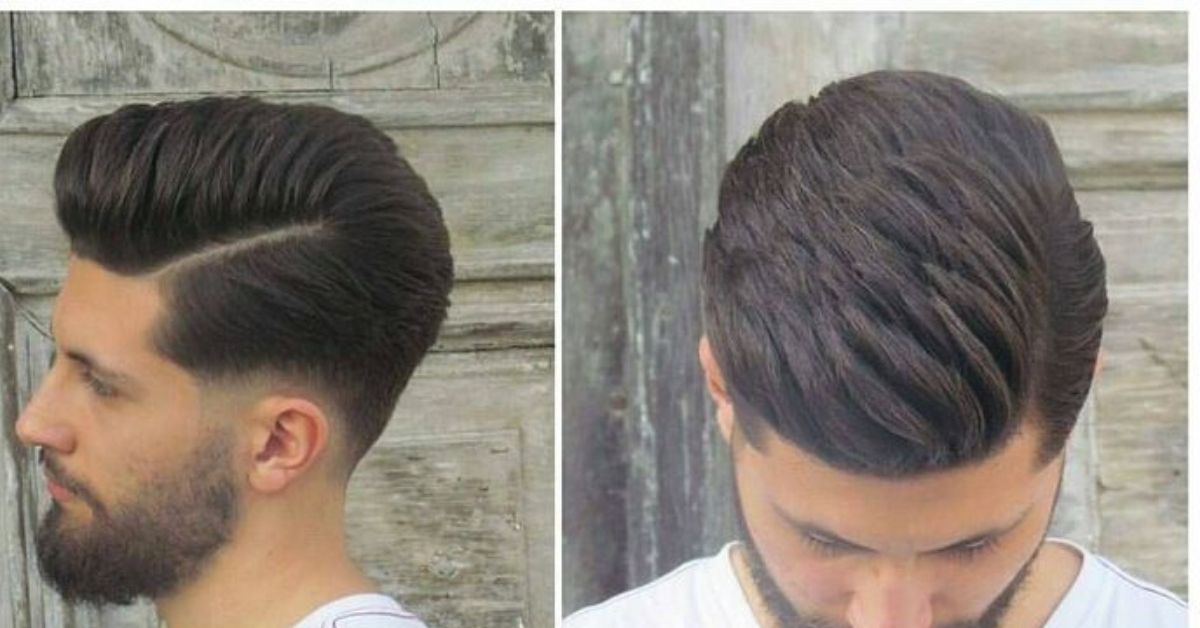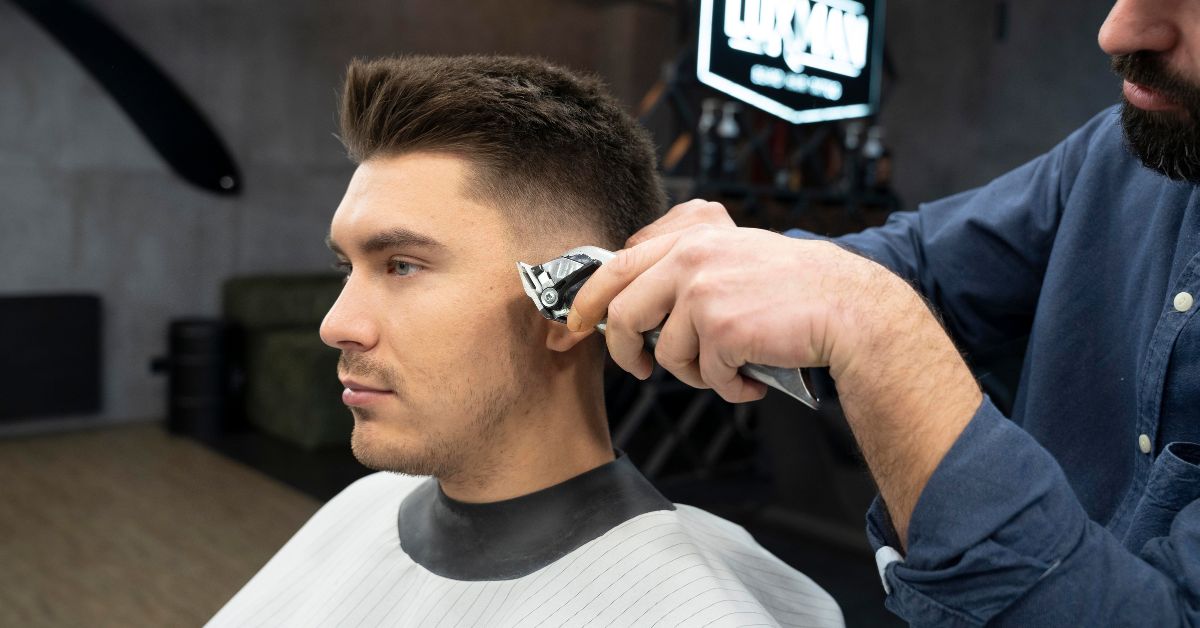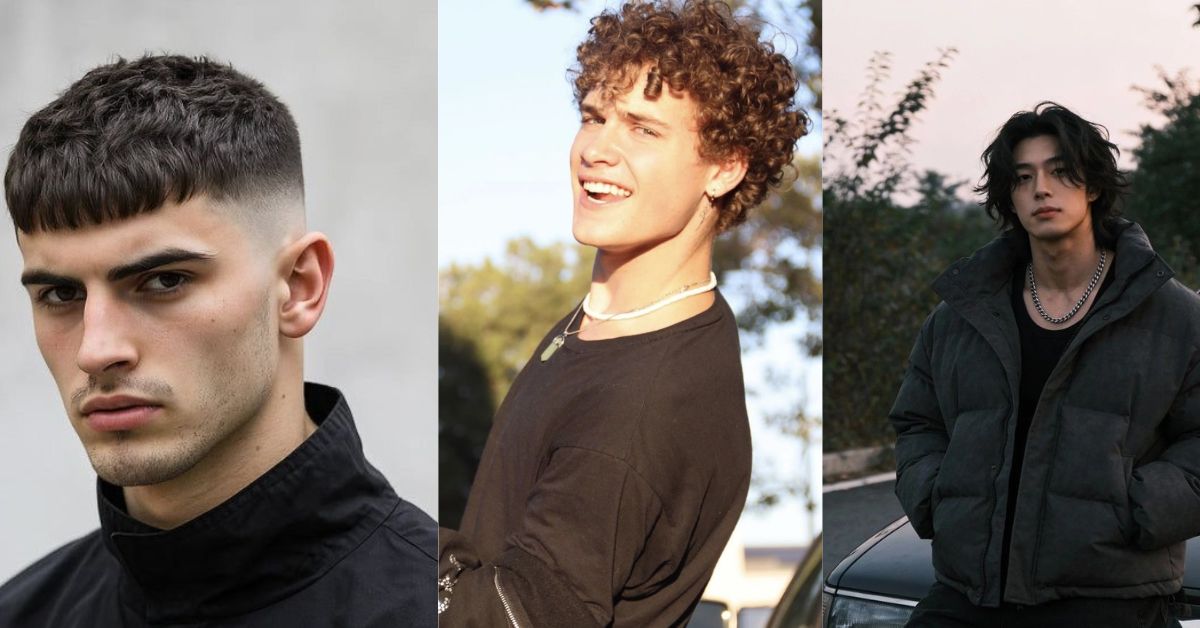
Textured hairstyles dominate modern beauty trends. People now embrace natural hair textures with confidence. They reject excessive heat styling and celebrate their real curl pattern. This guide explains hair texture types, care routines, styling methods, and climate-based strategies.
I will give you expert-backed methods, structured systems, and real case data. You will understand your texture deeply and choose styles with confidence.
Understanding Hair Texture Types
Hair texture types depend on follicle shape, keratin structure, and cuticle porosity. Your sebaceous glands also influence moisture levels. Oval follicles create curls and coils. Round follicles create straight strands.
The 4 Main Hair Texture Categories
| Type | Pattern Description | Common Traits | Moisture Needs |
| Type 1 | Straight | Reflective, smooth | Low–moderate |
| Type 2 | Wavy | S-shaped pattern | Moderate |
| Type 3 (3A–3C) | Curly | Spiral curls | High |
| Type 4 (4A–4C) | Coily | Tight coils/zig-zag | Very high |
Type 3A to 4C scales help identify curl tightness. However, the curl pattern alone does not determine product needs. Porosity changes everything.
15 Best Textured Hairstyles for Every Hair Type
Textured hairstyles enhance natural movement and volume. You can style waves, curls, or coils in many modern ways. Below, I explain 15 powerful style options with practical details.
1. Layered Textured Bob
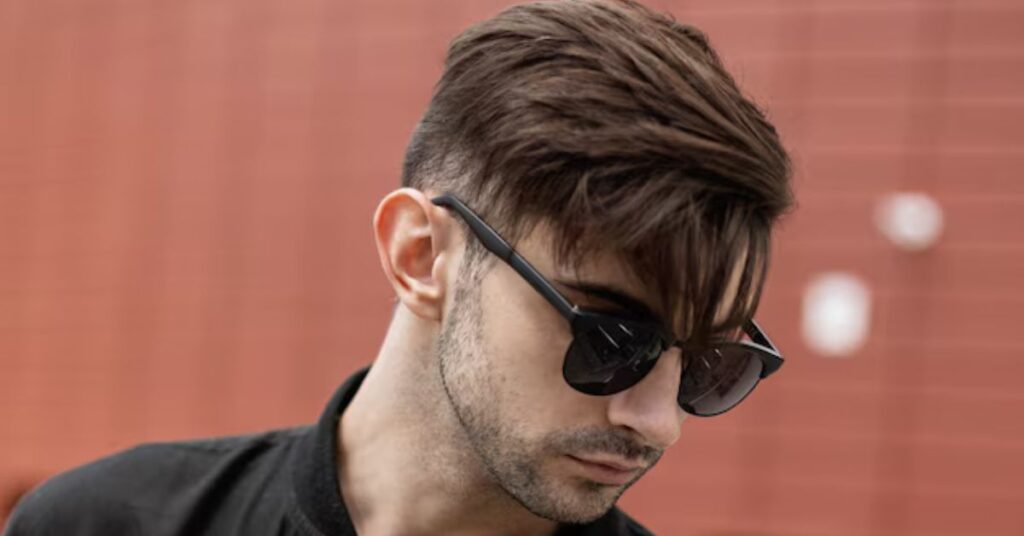
This textured hairstyle adds dimension and bounce. Layers remove bulk and create natural lift. Fine and medium hair benefit the most from this cut.
Best For:
- Fine to medium hair
- Oval and heart face shapes
- Professional environments
Styling Tip:
- Apply lightweight mousse
- Blow-dry with diffuser
- Finish with texture spray
2. Curly Shag Cut
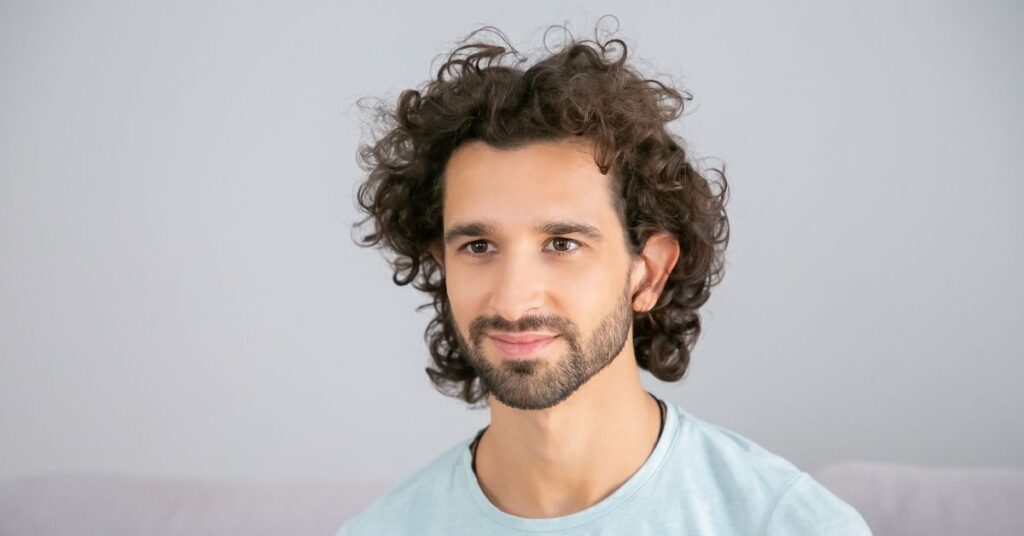
The curly shag creates volume at the crown and softness around the face. This textured hairstyle works beautifully on natural curls.
Best For:
- Type 2C–3C curls
- Medium to thick density
- Volume lovers
Styling Tip:
- Use curl cream
- Scrunch upward
- Air-dry or diffuse
3. Textured Pixie Cut
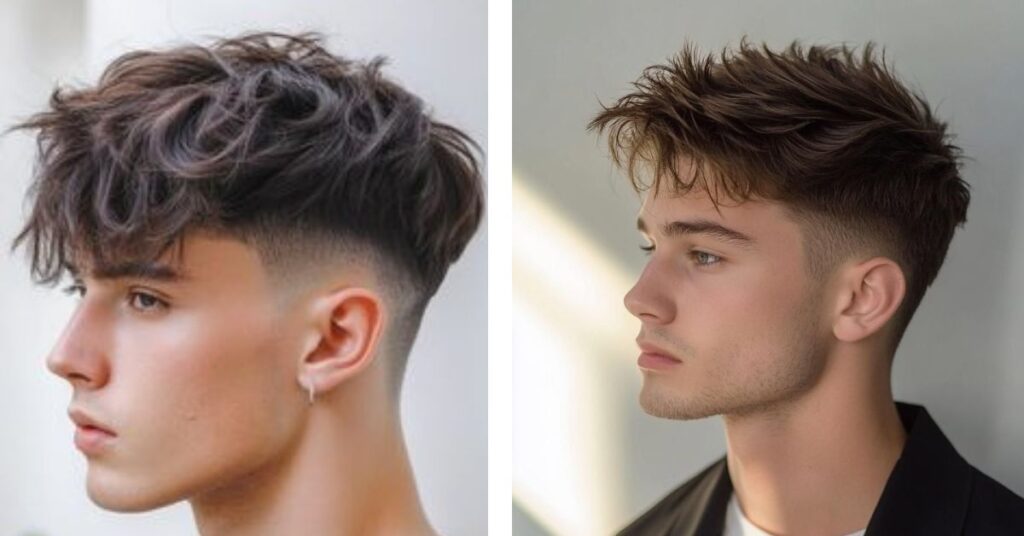
This short textured hairstyle highlights facial features. It gives a bold and confident look. It requires minimal maintenance.
Best For:
- Fine or low-density hair
- Busy lifestyles
- Round or oval faces
Styling Tip:
- Apply light styling cream
- Finger-style for separation
- Set with flexible hold spray
4. Wash-and-Go Curls
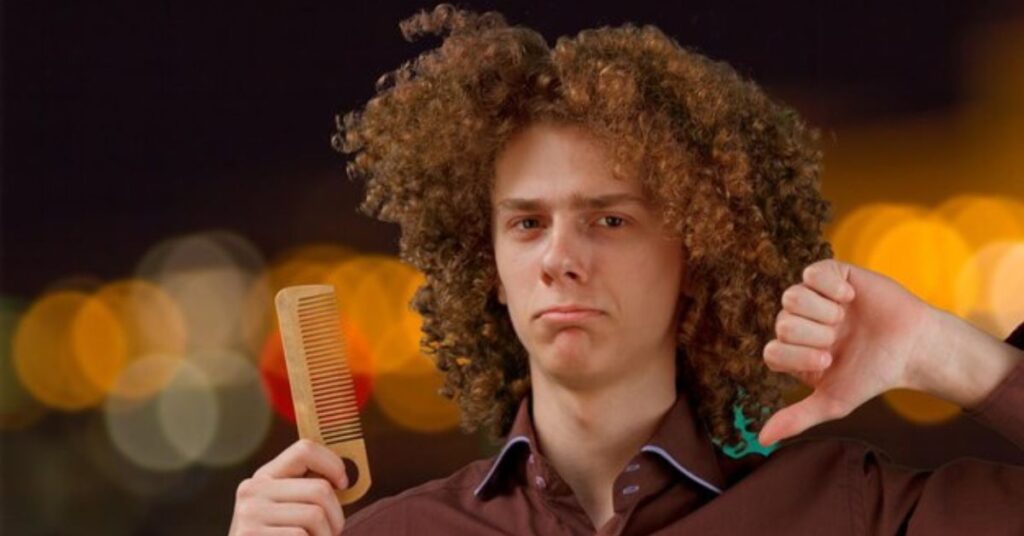
This classic textured hairstyle enhances your natural curl pattern. You style it directly after washing.
Best For:
- Type 3A–4C hair
- Medium to high density
- Natural definition lovers
Styling Tip:
- Apply leave-in on wet hair
- Use gel for hold
- Diffuse without touching
5. Voluminous Curly Lob
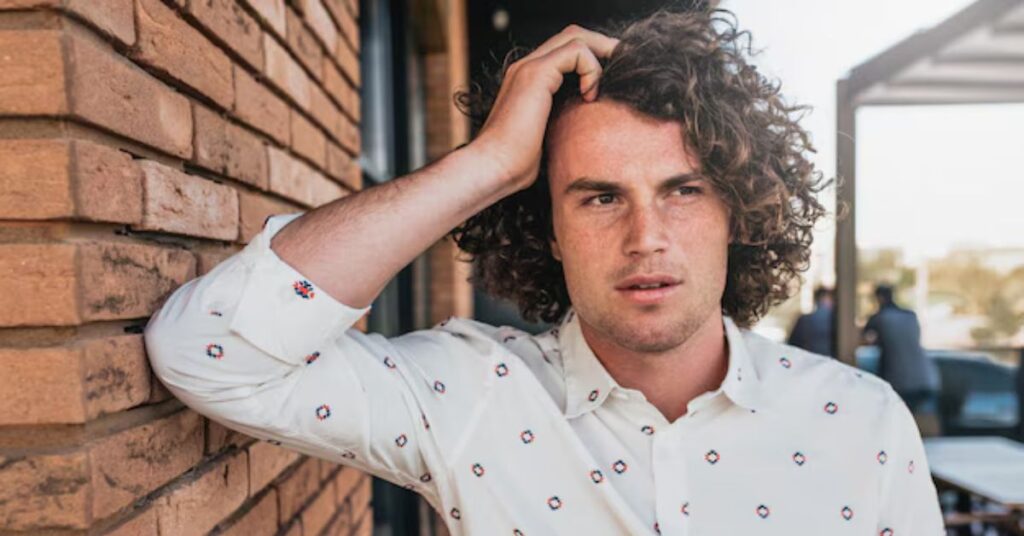
This shoulder-length textured hairstyle balances length and manageability. It looks polished yet natural.
Best For:
- Curly hair types
- Office-friendly looks
- Medium porosity hair
Styling Tip:
- Use root-lifting mousse
- Diffuse upside down
- Break cast gently
6. Tapered Coily Cut
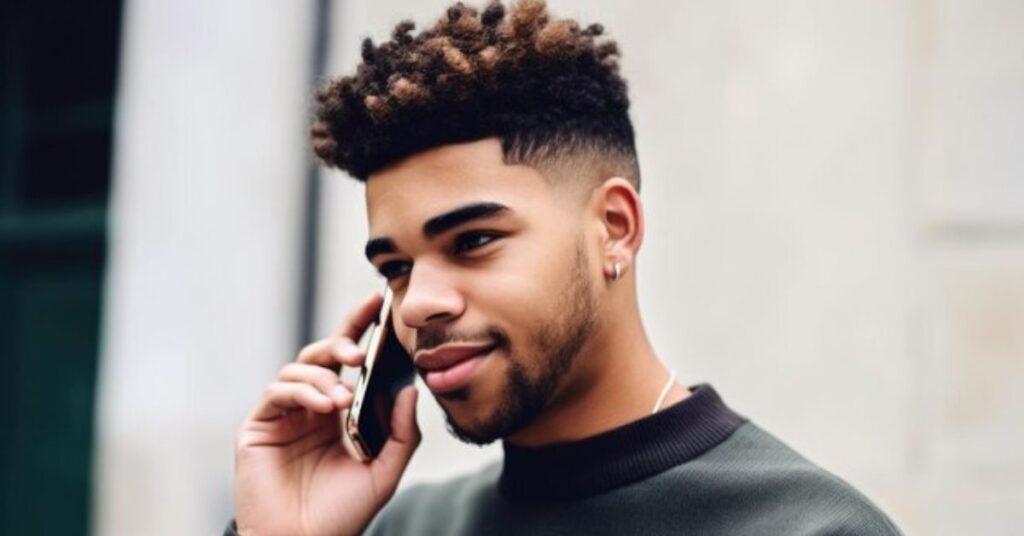
This cut keeps sides shorter and leaves volume on top. It shapes coils beautifully and reduces bulk.
Best For:
- Type 4A–4C coils
- High-density hair
- Defined structure
Styling Tip:
- Apply butter-based cream
- Define with finger coils
- Seal with light oil
7. Textured Curtain Bangs
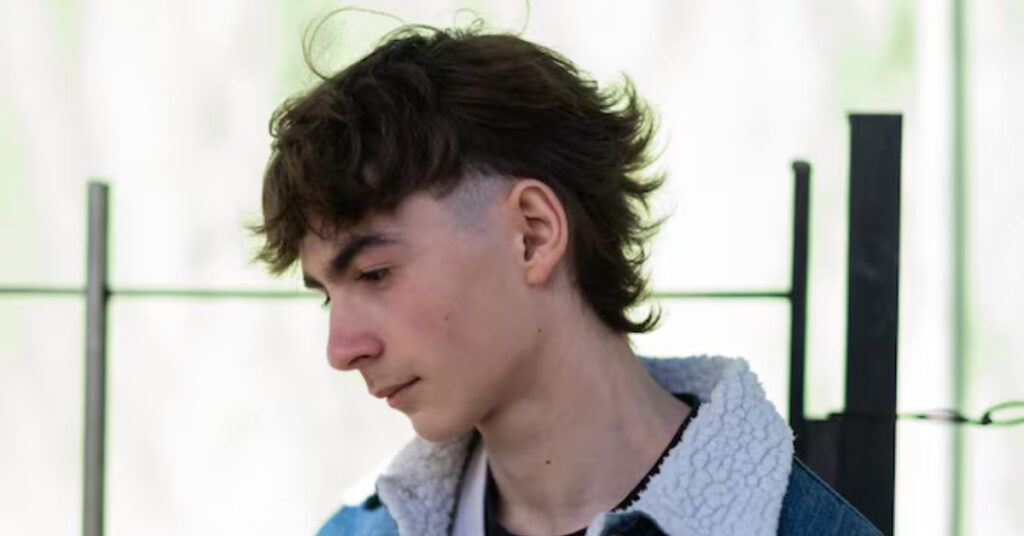
Curtain bangs soften the face and blend into natural waves or curls. This textured hairstyle adds style without heavy change.
Best For:
- Wavy to curly hair
- Long or medium cuts
- Face-framing effect
Styling Tip:
- Blow-dry bangs forward
- Separate with fingers
- Finish with light spray
8. Twist-Out Style
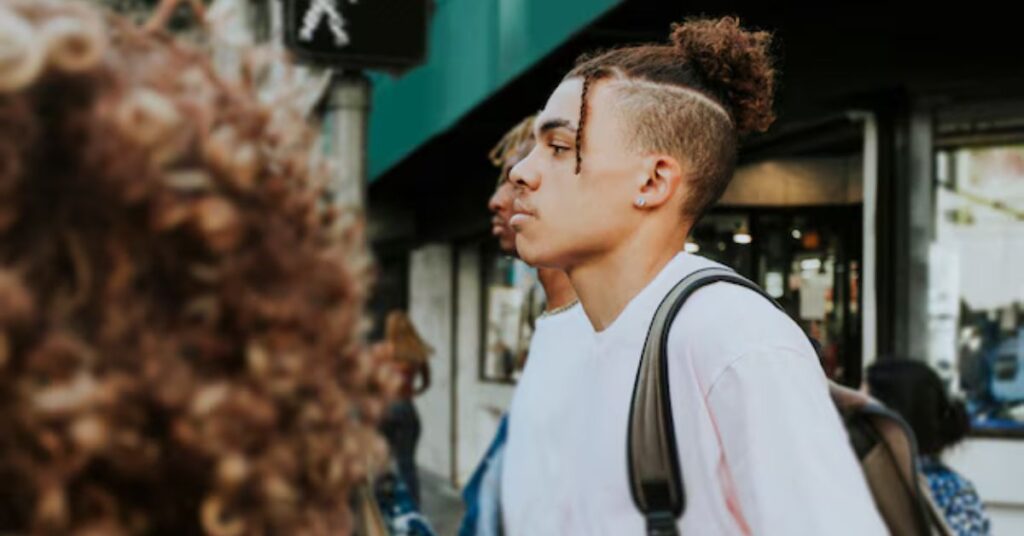
You twist damp hair in sections and unravel it after drying. This textured hairstyle stretches curls and reduces shrinkage.
Best For:
- Type 3C–4C
- High shrinkage hair
- Protective styling
Styling Tip:
- Use thick cream
- Twist evenly
- Separate gently
9. Braid-Out Texture
You braid sections and open them after full drying. This style creates soft waves and defined texture.
Best For:
- Medium to high porosity
- Heat-free styling
- Frizz control
Styling Tip:
- Apply leave-in first
- Braid tightly
- Separate with oil-coated fingers
10. Textured High Puff
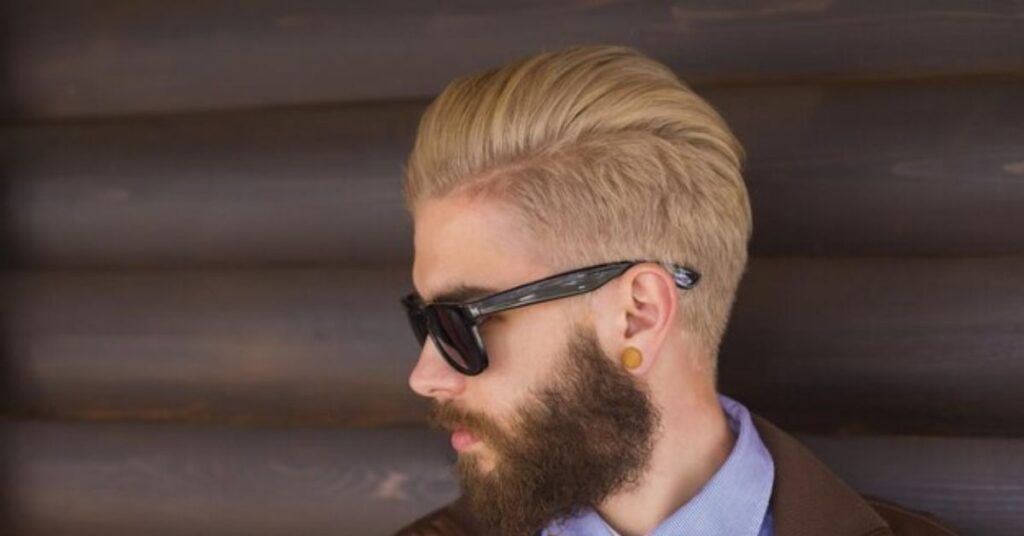
This easy textured hairstyle highlights natural volume. It protects ends and reduces manipulation.
Best For:
- Type 3–4 textures
- Quick styling
- Gym or casual looks
Styling Tip:
- Moisturize hair
- Gather loosely
- Secure with soft band
11. Short Textured Crop
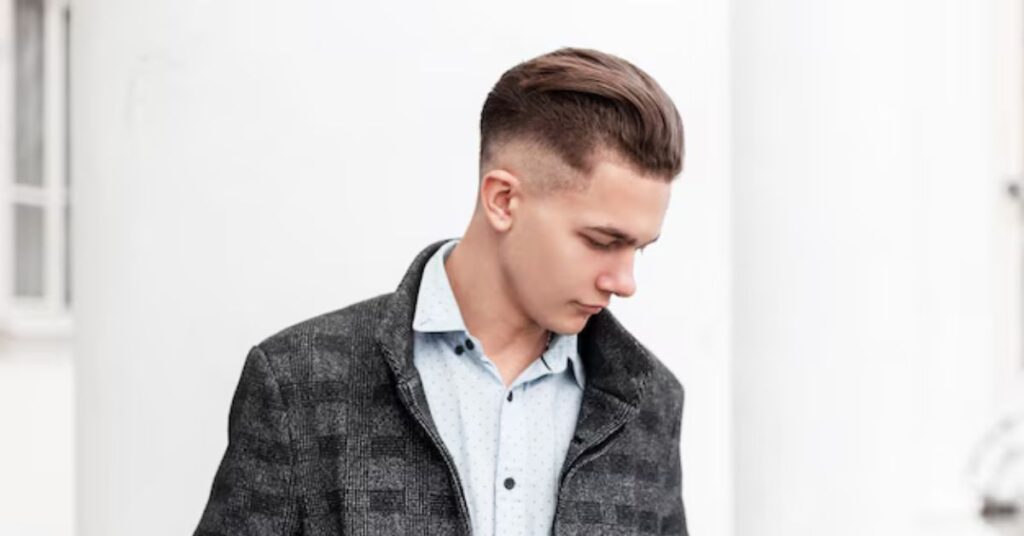
This clean and sharp style gives structure to natural texture. It works well for low-maintenance routines.
Best For:
- Fine or thinning hair
- Professional settings
- Structured shapes
Styling Tip:
- Apply styling paste
- Define layers
- Set with matte finish
12. Long Layered Coils
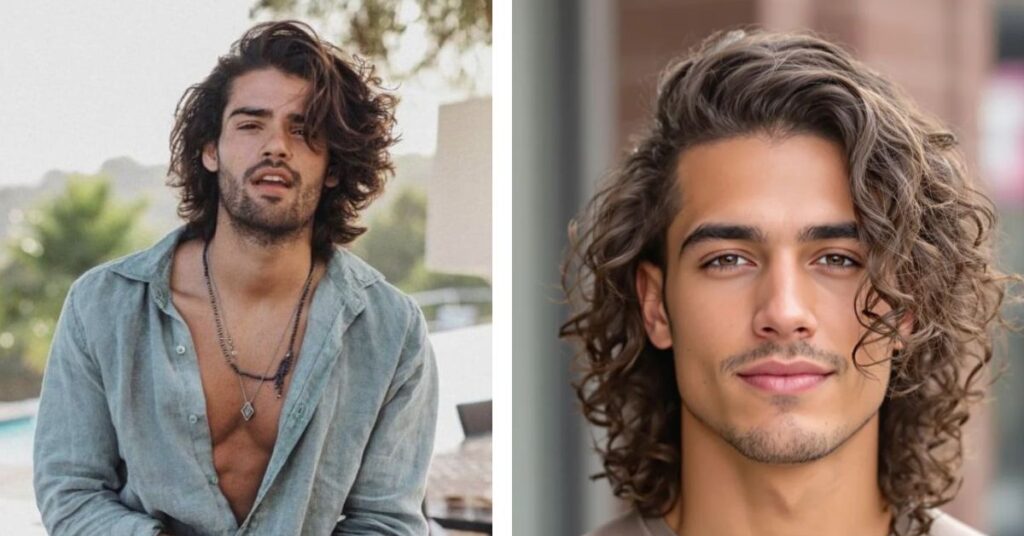
This textured hairstyle maintains length while controlling heaviness. Layers improve movement.
Best For:
- Type 3C–4C
- Thick hair
- Length retention goals
Styling Tip:
- Deep condition weekly
- Use curl-defining gel
- Stretch with banding method
13. Defined Spiral Curls
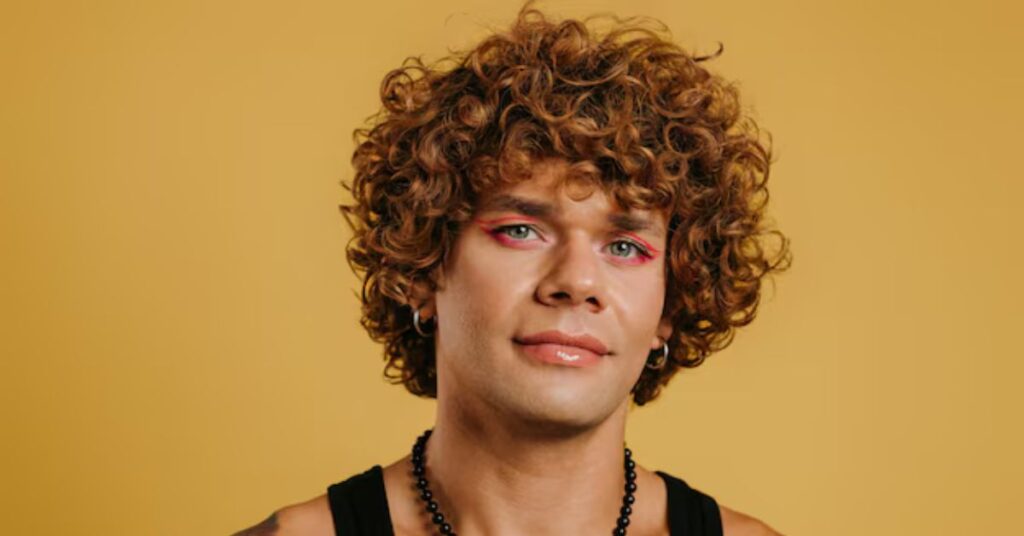
This style enhances natural spirals and boosts shine. It gives a glamorous finish.
Best For:
- Type 3A–3B
- Medium porosity
- Special occasions
Styling Tip:
- Use curl enhancer
- Diffuse gently
- Break cast with oil
14. Professional Low Textured Bun

This polished textured hairstyle suits office environments. It keeps texture visible while maintaining neatness.
Best For:
- Work settings
- Medium to long hair
- Formal events
Styling Tip:
- Smooth edges lightly
- Keep bun loose
- Secure with pins
15. Textured Wolf Cut
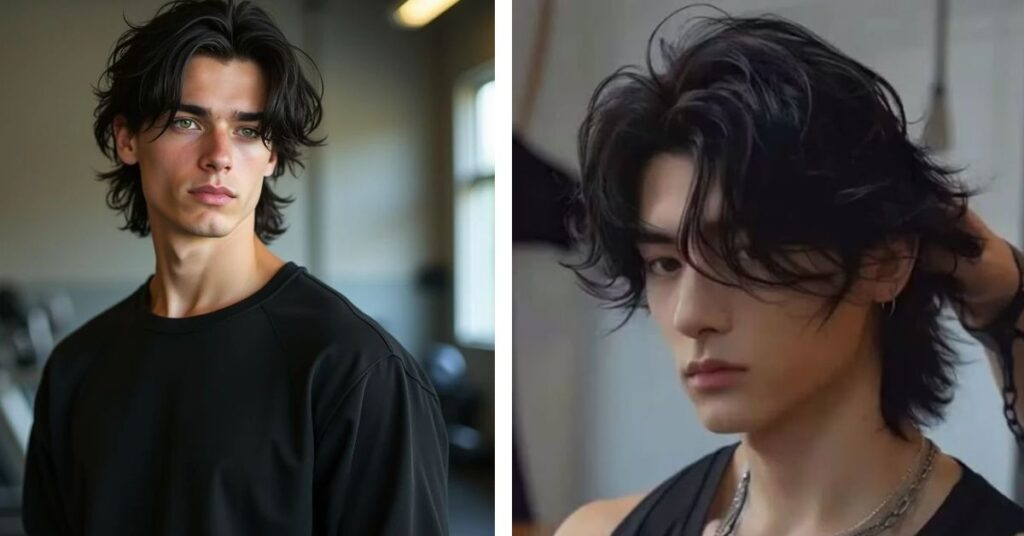
The wolf cut combines shag layers with bold volume. This trendy textured hairstyle creates a modern edge.
Best For:
- Medium to thick hair
- Wavy or curly textures
- Trend-focused looks
Styling Tip:
- Use volumizing spray
- Scrunch mid-lengths
- Air-dry for natural finish
The “Porosity vs. Pattern” Matrix
Most guides focus only on the curl pattern. I focus on porosity first. Cuticle porosity determines how your hair absorbs and retains moisture.
Why Porosity Matters More Than Pattern
A Type 4 coil with low porosity resists moisture entry. A Type 4 coil with high porosity absorbs moisture fast but loses it quickly. Both need different formulas.
Porosity vs Pattern Matrix
| Curl Pattern | Low Porosity Needs | Medium Porosity Needs | High Porosity Needs |
| 2A–2C | Lightweight humectants, steam | Balanced creams | Protein + sealants |
| 3A–3C | Warm water activation, light gels | Curl creams | Protein treatments |
| 4A–4C | Heat caps, aloe-based leave-ins | Butters + creams | Heavy sealants + protein |
Low porosity hair benefits from humectants and gentle heat. High porosity hair needs film-forming polymers and protein support. Always test porosity before buying products.
Textured Hair Care Routine (Step-by-Step)
You must follow a consistent textured hair care routine.
Weekly Routine Structure
- Cleanse with sulfate-free shampoo.
- Apply moisture-rich conditioner.
- Detangle gently with fingers.
- Use a leave-in conditioner.
- Seal with oil or butter.
Nighttime Routine for Preserving Hair Texture
- Use the pineapple method for curls.
- Sleep on a satin pillowcase.
- Refresh with water + leave-in spray in the morning.
This routine reduces frizz and preserves definition.
How to Define Curls Without Frizz (Step-by-Step Method)
Frizz appears when your cuticle lifts and loses moisture control. You must lock hydration inside the strand from the start. Always style on soaking wet hair. Water activates products and improves curl clumping.
The Frizz-Control Styling Formula
- Cleanse gently without stripping natural oils.
- Apply leave-in conditioner evenly from root to tip.
- Use the shingling method to define sections.
- Layer a lightweight gel with film-forming polymers.
- Diffuse on low heat and low speed.
- Avoid touching hair until it dries completely.
You should scrunch out the cast only after full drying. This method increases shine and reduces flyaways. Always match product weight with your porosity level.
Low-Maintenance Textured Cuts
Low-maintenance textured cuts save time and protect hair health.
Best Textured Hairstyles for Fine Hair
- Layered textured bob
- Soft shag cut
- Lightweight curly lob
These styles add volume without heavy products.
Short Textured Pixie Cut Styling Guide
- Apply lightweight mousse.
- Scrunch gently.
- Use a diffuser for volume.
- Finish with flexible-hold spray.
This cut works well for professional environments.
Case Study – The 12-Month Texture Transition
A client transitioned from chemical relaxers to natural texture over 12 months. I documented moisture levels and tensile strength recovery.
Transition Data
| Month | Moisture Retention | Tensile Strength | Breakage Level |
| Month 1 | 35% | Weak | High |
| Month 3 | 50% | Moderate | Reduced |
| Month 6 | 65% | Improved | Low |
| Month 12 | 85% | Strong | Minimal |
The client stopped heat styling. She followed a protein-balanced routine. Her keratin structure gradually recovered. This case proves that consistent care restores strength.
Transitioning from Chemically Straightened to Natural Texture
Many people struggle during the transition phase. You must stay patient and consistent. Chemical treatments weaken keratin bonds and reduce tensile strength. Natural growth restores structural integrity over time.
3-Phase Transition Plan
Initial Damage Control (Months 1–3)
- Start protein treatments every 3–4 weeks.
- Deep condition weekly.
- Reduce heat styling completely.
Active Growth Support (Months 4–8)
- Trim relaxed ends gradually.
- Follow a moisture-rich routine.
- Protect hair with twist-outs or braids.
The Full Texture Reveal (Months 9–12)
- Remove remaining chemically treated ends.
- Focus on curl definition methods.
- Maintain a balanced protein-moisture cycle.
The “Weather-Resistant” Texture Lab
Humidity affects textured hairstyles. Dew point and Humidity Index data help you select products correctly.
Climate-Based Ingredient Chart
| Dew Point | Humidity Level | Use This | Avoid This |
| Below 50°F | Dry climate | Simple humectants | Heavy gels |
| 50–65°F | Moderate | Balanced creams | Over-layering |
| Above 65°F | High humidity | Film-forming polymers | Glycerin-heavy products |
In high humidity, film-forming polymers block frizz. In dry climates, humectants attract moisture. Always adjust your routine based on weather.
Protective Styling for Texture
Protective styling for texture prevents breakage and moisture loss.
Examples:
- Twist-outs
- Braid-outs
- Flat twists
- Low buns
These styles protect ends and reduce manipulation.
Textured Hair Products for Volume
You must choose products carefully.
Ingredient Comparison Table
| Ingredient Type | Best For | Avoid If |
| Silicone-Free | Fine curls | You need heavy sealing |
| Protein-Heavy | High porosity | Hair feels stiff |
| Moisture-Rich | Dry coils | Hair lacks elasticity |
Always read ingredient labels. Balance protein and moisture.
Interactive Texture Identification Quiz
Create a simple quiz:
- Select curl pattern (2A–4C)
- Select strand thickness (fine, medium, coarse)
- Select porosity (low, medium, high)
The tool generates a personalized Texture Profile. This increases engagement and builds trust.
Why Hair Texture Gets Dry (Anatomy Insight)
Oval and flat follicles create curls. Curls block natural oils from traveling down the strand. Sebaceous glands produce oil, but coils prevent even distribution. This explains dryness in Type 3 and Type 4 textures.
Use diffusers to reduce frizz. Use deep conditioners to maintain elasticity.
FAQs
1. How do I define curls without frizz?
Apply leave-in on wet hair. Use the shingling method. Seal with light gel. Avoid touching hair while drying.
2. What are the best professional hairstyles for textured hair?
Try a sleek low bun, defined wash-and-go, or layered bob. These styles look polished and controlled.
3. How do I transition from chemically straightened to natural texture?
Trim damaged ends gradually. Stop heat styling. Follow a protein-moisture balanced routine.
4. Which textured hair products add volume?
Use lightweight mousse, root-lifting spray, and diffuser drying techniques.
5. How often should I deep condition textured hair?
Deep condition once a week if your hair feels dry. Adjust frequency based on porosity.
Conclusion
Textured hairstyles celebrate individuality and natural beauty. You must understand both curl pattern and porosity to build the right routine. Climate, product ingredients, and protective styling also influence results.
When you prioritize hair health over heat styling, you improve strength and moisture retention. Follow the Porosity-First Selection Method. Adjust products based on weather. Stay consistent with your routine.
Your texture tells a story. Own it. Protect it. Style it with confidence.