
Most men notice their hairline changing and panic. They try to cover it up with the same old style they have worn for years but the best receding hairline haircuts require a completely new approach, not the same cut pushed forward.
This guide is different from every other article you will find online. No generic list of haircuts here instead, you get the exact receding hairline haircuts that work for your stage of hair loss, your face shape, and your hair type. What to say to your barber and what mistakes to stop making right now are all covered too.
A receding hairline is not the end of good hair. It is the start of smarter grooming.
What a Receding Hairline Actually Means for Your Style
Your hairline starts at a certain point on your forehead. As it recedes, it moves backward from the temples first. This creates an M-shape at the front. Over time, the temples thin more and the front of the scalp becomes more visible.
This changes the visual balance of your whole head. A haircut that worked before may now draw attention to exactly the wrong areas. The temples look wider. The forehead looks larger. The hair that remains may look thin and patchy when styled the wrong way.
The goal of receding hairline haircuts is simple. Redirect attention. Create balance. Make everything look intentional. The right cut does not hide your hairline it makes your whole look work in spite of it.
Know Your Hair Loss Stage Before You Pick a Cut
This is the step most men skip. They pick a haircut they like the look of without knowing if it suits their stage of hair loss. Here is a simple breakdown to help you identify where you are.
| Hair Loss Stage | What It Looks Like | Best Cut Strategy |
| Stage 1 – Early | Slight temple recession, barely noticeable | Most styles still work, add texture |
| Stage 2 – Mild | Clear M-shape forming at temples | Textured crop, quiff, side part |
| Stage 3 – Moderate | Temples visibly thin, front hairline pulling back | French crop, crew cut, taper fade |
| Stage 4 – Advanced | Large forehead exposure, crown thinning starts | Buzz cut, high and tight, Caesar cut |
| Stage 5+ – Significant | Heavy recession front and crown | Buzz cut, shaved head with beard |
Knowing your stage helps you pick receding hairline haircuts that actually make sense. A style that works at Stage 2 can look terrible at Stage 4. Be honest about where you are.
The Golden Rules of Receding Hairline Haircuts
Before we get to specific styles, you need to understand three rules. These apply to every receding hairline haircut, no matter your face shape or hair type.
Rule 1: Shorter sides always help. Keeping the sides tight draws the eye upward and inward. This makes the temples look less prominent and the overall shape look cleaner and more intentional.
Rule 2: Matte finish beats shine every time. Shiny products, gels, wax with high gloss, wet-look pomades separate fine hair and show more scalp. A matte clay or paste keeps the strands together and makes the hair look thicker. This one product change alone can transform how your haircut looks.
Rule 3: Work with your hairline, not against it. Stop trying to recreate the hairline you had at 20. Build a style around the one you have now. Men who lean into their receding hairline and style around it always look better than men who try to disguise it with sweeping or combing tricks.
Best Receding Hairline Haircuts for Early Stage Hair Loss (Stage 1–2)
At this stage your options are still wide open. The temples are just beginning to thin. You can still pull off slightly longer styles if you use the right products and techniques. The key is to add texture and avoid flat, heavy styling.
The Textured Crop is the most popular choice at this stage. It keeps the top short but choppy. The layered, disheveled finish adds volume and draws the eye away from the temples. Style it with a matte paste applied through damp hair. Blow-dry upward for lift. This is one of the most requested receding hairline haircuts in barbershops today because it looks great and takes almost no time to style each morning.
The Quiff also works well at Stage 1–2. It adds height at the front which pulls the eye upward rather than toward the sides. Keep the sides tighter than you normally would. Use a volumizing mousse before blow-drying and finish with a light matte product. Avoid quiffs if your front hairline is already too thin to hold the shape they need some density at the front to work properly.
The Side Part is a clean, classic option for early recession. A shallow, low side part shifts attention from the temples. Keep the part low on the head and a high part can expose the thinning temple on that side. Pair it with a taper on the sides for a polished, professional look.
Best Receding Hairline Haircuts for Moderate Hair Loss (Stage 3–4)
At this stage the recession is clearly visible. The M-shape is more defined. Styles that rely on covering the front hairline no longer work well. You need cuts that create a clean, balanced shape without depending on front coverage.
French Crop
One of the smartest choices here features a short fringe that sits forward across the forehead. This fringe naturally softens the hairline without looking like a cover up. The sides stay tight with a low or mid fade. Blow-dry the fringe forward and apply a small amount of light wax or sea salt spray for texture. This is one of the most effective receding hairline haircuts for moderate loss because the forward fringe does the work naturally.
Crew Cut
A clean, short top with tapered sides gives you just enough length on top to add some volume and texture. The crew cut looks sharp without requiring much daily styling. Use a light styling cream to smooth the top. Visit your barber every two to three weeks to keep the taper looking fresh. This cut is timeless, professional, and works across almost every face shape.
Taper Fade With Short Top
The gradual blend from short to shorter along the sides creates a very clean profile. It makes the overall haircut look very intentional like a deliberate grooming choice rather than a response to hair loss. Pair it with a textured top styled with matte clay for the best result.
Caesar Cut
A uniform short length all over with a small horizontal fringe pushed forward is what makes this cut so effective. This fringe conceals a receding hairline more effectively than almost any other short cut. Ask your barber for a Caesar at one to two inches all over with a straight-across fringe. Sides can be tapered or faded depending on the contrast you want.
Receding Hairline Haircuts for Advanced Hair Loss (Stage 5+)
At this stage the recession is significant. The front and temples have pulled back considerably. This is where many men struggle most with their style. But this is also where the boldest and most confident choices live.
The Buzz Cut is the single best option at this stage. It eliminates the contrast between thinning and fuller areas across the entire scalp. Everything goes uniform and clean. There is no hiding, no patches, and no awkward styling. The buzz cut communicates confidence and control. Pair it with a well-groomed beard for a sharp, masculine finish. Maintenance is minimal — a quick trim every two weeks keeps it looking intentional.
The High and Tight is a military inspired cut that works brilliantly at advanced stages. The sides are shaved very close almost to the skin. The top stays slightly longer, around one to two inches. The contrast between the two creates structure and draws the eye upward. It is clean, low-maintenance, and pairs extremely well with facial hair.
The Shaved Head is the most powerful move at this stage. Shaving everything eliminates the issue completely. There is no recession when there is no hair. A shaved head paired with a defined beard and good skincare is one of the most confident and respected looks a man can wear. Many of the most stylish men in the world have chosen this path and made it a signature look.
Best Receding Hairline Haircuts for Men
1. Buzz Cut — Clean, Confident, and Always Sharp
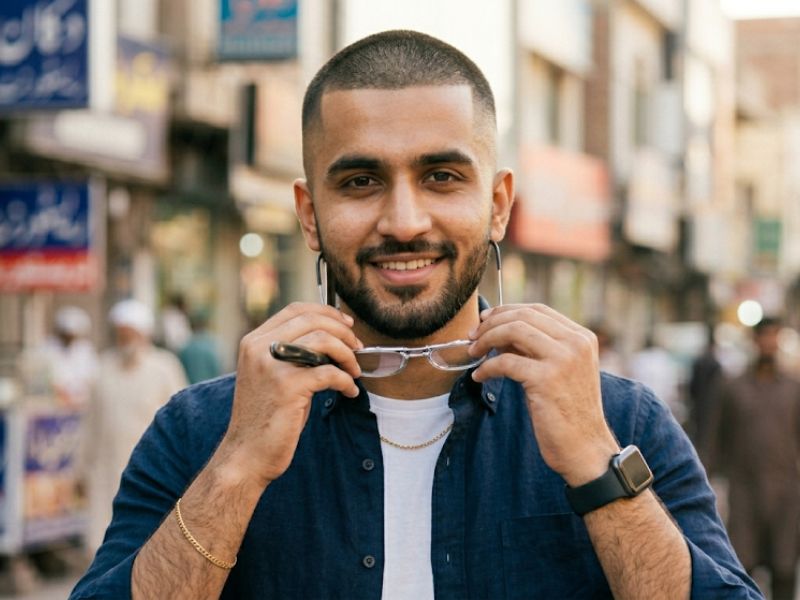
Nothing works better for a receding hairline than a well executed buzz cut. It keeps the hair at a uniform short length all over, which completely removes the contrast between thinning and denser areas. The recession becomes invisible because everything blends into one clean, even look.
Pair it with a well groomed beard and the whole look becomes sharp, masculine, and balanced. No product is needed, no daily styling is required, and maintenance is as simple as a quick trim every two weeks. This is the most low-effort receding hairline haircut with the highest visual impact.
2. Textured Crop — The Modern Man’s First Choice
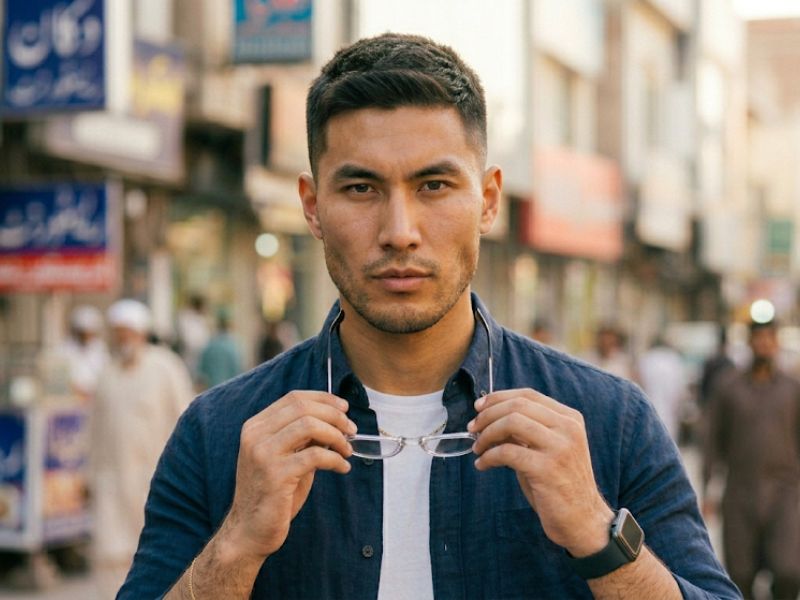
The textured crop is the most requested haircut in barbershops right now, and men with receding hairlines are a big reason why. Short, choppy layers on top add natural volume and depth, while faded or tapered sides keep the overall shape clean and sharp. The disheveled texture naturally draws the eye away from the temples.
To style it, work a small amount of matte paste through damp hair using your fingertips and blow dry upward for lift. Visit your barber every two to three weeks to keep the fade looking fresh and intentional. Even men with fine or thin hair can achieve a noticeably fuller look with this cut.
3. French Crop — Smart Coverage Without Trying Too Hard

A short, forward-sitting fringe is what makes the French crop one of the smartest receding hairline haircuts available today. The fringe sits flat across the forehead and naturally softens the hairline without looking like a cover up attempt. Combined with a low or mid fade on the sides, the entire look stays crisp and modern.
Blow-dry the fringe forward and finish with a light application of wax or sea salt spray for natural texture and hold. Tell your barber: “Short fringe flat across the forehead, low fade on the sides, textured on top.” Come back every three to four weeks to keep the fringe at the right length.
4. Crew Cut — The Safe Bet That Never Fails

The crew cut leaves a little more length on top while keeping the sides and back short and tapered. That extra length on top adds slight volume which makes thin hair appear noticeably thicker and fuller. It works for oval, square, and round face shapes equally well, making it one of the most universally flattering receding hairline haircuts.
Apply a small amount of light styling cream to the top and style it with your fingers or a comb depending on the occasion. Your barber should see you every two to three weeks to keep the taper clean and the overall shape looking sharp. It is a timeless, professional choice that never goes out of style.
5. Taper Fade With Short Top — Sharp Structure, Zero Effort
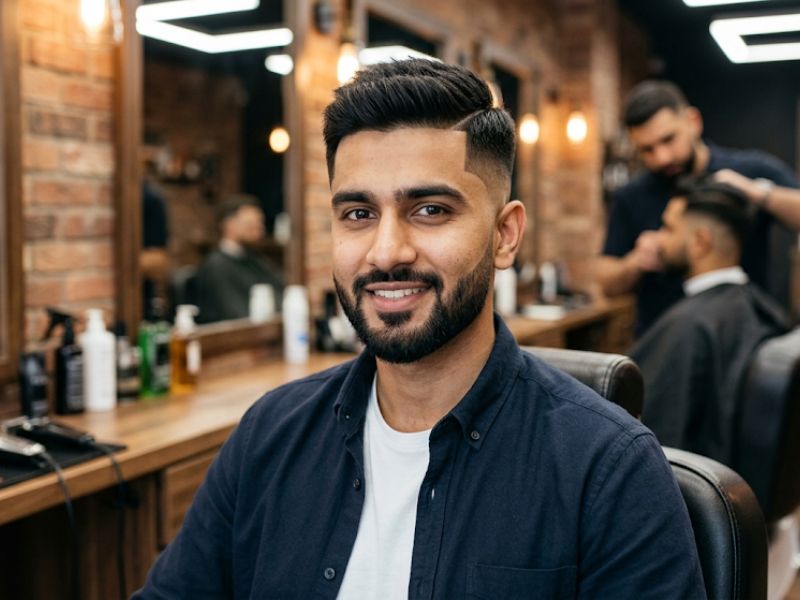
A taper fade creates a gradual, clean blend from short to shorter along the sides, giving the entire haircut a very structured and intentional profile. This immediately makes the temples look less prominent because the eye focuses on the sharp overall shape rather than the hairline. It is one of the most polished receding hairline haircuts for men of all ages.
Work matte clay through damp hair and blow-dry upward for a natural, lifted finish on top. Ask your barber to specify the fade height low fade for a subtle look, mid fade for stronger contrast and definition. This cut pairs well with almost any top style, from a textured finish to a clean, combed look.
6. Caesar Cut — Old School Name, Very Modern Results
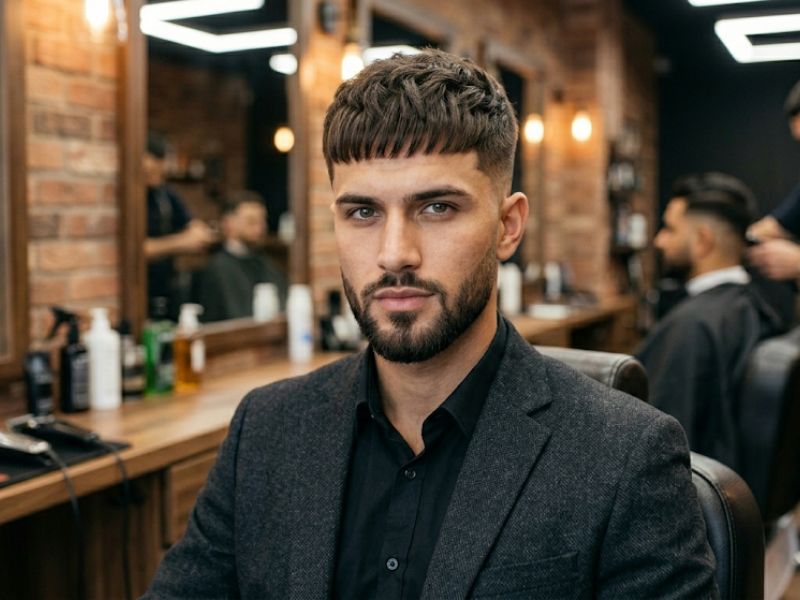
The Caesar cut keeps the hair at a uniform short length all over with one key feature: a small, horizontal fringe pushed forward across the forehead. That fringe does the heavy lifting by naturally concealing the receding hairline without drawing any obvious attention to it. It is one of the most effective and underrated receding hairline haircuts available today.
Apply a small amount of matte paste to the fringe and define it lightly with your fingertips for a clean, natural look. Tell your barber: “One to two inches all over, straight fringe across the front, sides tapered or lightly faded.” A visit every three weeks keeps the cut looking structured and intentional.
7. Quiff — Bold Move for the Right Stage
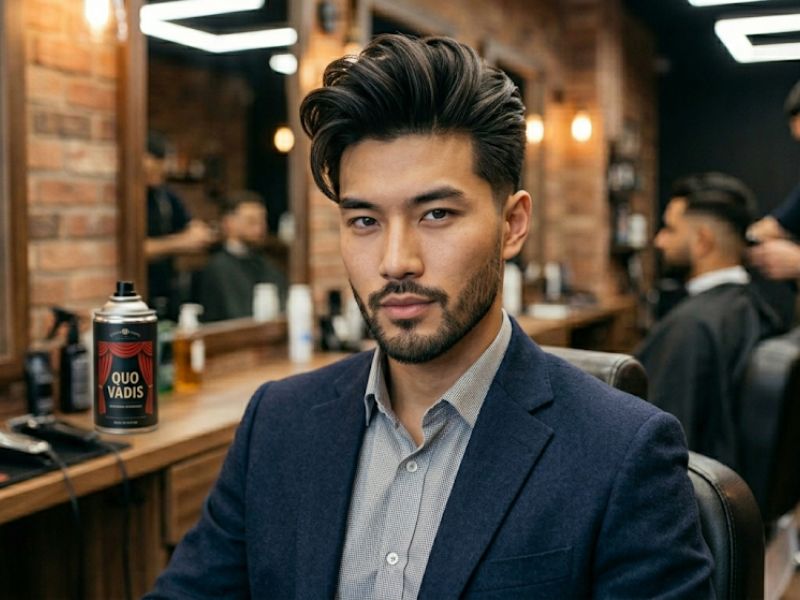
A quiff adds height and volume at the front of the head, which pulls the eye upward rather than toward the thinning temples on the sides. It works best at early to moderate stages of recession when there is still enough density at the front hairline to hold the shape properly. This is the boldest and most eye catching option among all receding hairline haircuts.
Apply volumizing mousse to damp hair and blow-dry aggressively upward to build maximum lift at the front. Finish with a light matte pomade that holds the volume without adding unwanted weight or shine. Keep the sides tight with a fade to make the height of the quiff stand out even more.
8. High and Tight — Military Precision, Everyday Confidence

Borrowed from military tradition, the high and tight features sides shaved very close to the skin while the top stays at one to two inches in length. The strong contrast between the ultra-short sides and the slightly longer top creates a bold, upward-focused silhouette that works at almost every stage of hair loss. It is the most structured and disciplined of all receding hairline haircuts.
Use a light grooming cream or wax on the top section for a clean, controlled finish without any stiffness. Visit your barber every two weeks because this cut loses its sharpness quickly when the edges and sides are not freshly maintained. Pair it with a neatly groomed beard to complete the overall look with balance and definition.
9. Slicked Back — Texture Over Shine, Always
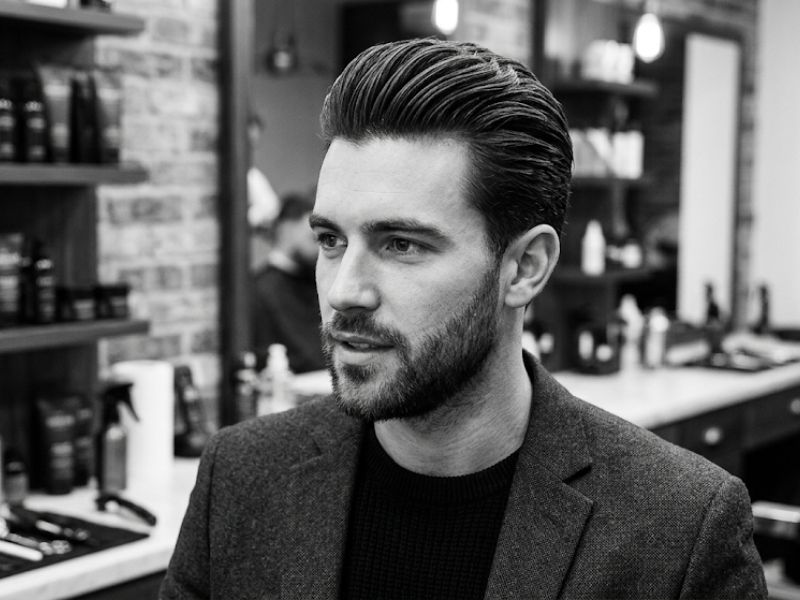
The modern slicked back style has nothing in common with the heavy gel look of the past. Today it is styled with a matte pomade or light wax that gives the hair a natural backward flow with movement and volume rather than a stiff, plastered finish. This makes it one of the most sophisticated receding hairline haircuts for men who want a mature and refined look.
Apply matte pomade to damp hair and use your fingers not a comb to push the hair backward naturally. Avoid any high-shine or wet-look products completely because they separate fine strands and make the scalp far more visible. Oval and oblong face shapes get the best results with this style.
10. Shaved Head — The Most Confident Decision of All

When the hairline has receded significantly, shaving the entire head is the cleanest and most powerful solution a man can choose. It removes all contrast between thinning and fuller areas and replaces it with one bold, uniform look that reads as a confident style choice rather than a response to hair loss. This is the most final and impactful of all receding hairline haircuts.
Apply a daily scalp moisturizer to keep the skin hydrated, smooth, and healthy-looking after shaving. Pair the shaved head with a well shaped beard to add facial structure and create a strong, complete look. Men who make this choice consistently look sharper and more intentional than those who keep fighting a losing battle with longer styles.
Match Your Face Shape to the Right Receding Hairline Haircut
Face shape matters a lot when choosing receding hairline haircuts. Here is a simple guide to help you pick the right fit.
| Face Shape | Best Receding Hairline Haircuts | Styles to Avoid |
| Oval | Textured crop, quiff, crew cut — almost anything works | Very few restrictions |
| Round | Quiff, faux hawk, high and tight — add height | Wide, flat styles that add width |
| Square | French crop, side part, taper fade | Styles that make the jaw look too angular |
| Oblong / Long | Textured crop, French crop, Caesar cut | Very tall styles that add more height |
| Diamond | Crew cut, textured crop, buzz cut | Very wide styles at the top or bottom |
When in doubt, go shorter on the sides and add a little texture on top. This combination works for almost every face shape and every stage of receding hairline hair loss.
What to Tell Your Barber The Exact Words to Use
This is the section most articles never include. You know what cut you want but you do not know how to ask for it. Here are the exact phrases to use.
For a Textured Crop: “A textured crop with faded sides and choppy texture on top would suit me best. Keep the fringe short and natural. Matte finish.”
For a French Crop: “My desired French crop has a forward fringe that sits flat across my face. Low to mid fade on the sides, textured on top.”
For a Buzz Cut: “I want a uniform buzz cut all over. A number two on top and a number one on the sides with a slight taper.”
For a Crew Cut: “I want a crew cut with a mid fade on the sides. Leave about an inch and a half on top. Textured, not stiff.”
Always tell your barber about your receding hairline directly. A good barber will adjust the cut to work with your hairline rather than against it. Pointing out your thinning areas helps them make smarter choices about where to cut and where to leave length.
3 Biggest Styling Mistakes Men with Receding Hairlines Make
Mistake 1: Using heavy shine products. Gel and high-gloss wax separate fine hair. They show gaps between strands and make the scalp far more visible. Switch to a matte clay or paste immediately. This single change will make your hair look noticeably thicker.
Mistake 2: Trying to cover the hairline with long hair. Long hair swept over a receding area looks worse not better. The act draws attention to exactly what you are trying to conceal. Shorter, structured cuts always look more intentional and confident than long cover-up styles.
Mistake 3: Going too long between barber visits. An overgrown receding hairline haircut looks rough. The clean, sharp edges that make these styles work disappear quickly. Short and fade-based cuts need a fresh trim every two to three weeks. Do not skip this step; regular maintenance is what keeps the look working.
Products That Work Best for Receding Hairline Haircuts
The right product makes a huge difference with receding hairline haircuts. Here is what to use and why.
| Product Type | Best For | Avoid If |
| Matte Clay / Paste | Adds texture, thickness, natural finish | You want a shiny or slick finish |
| Volumizing Mousse | Adds lift and body before blow drying | Hair is already thick and heavy |
| Sea Salt Spray | Creates texture and movement on damp hair | Hair is very dry or damaged |
| Light Pomade (matte) | Clean, controlled finish for crew cut or side part | You want a high-shine look |
| Heavy Gel | Avoid completely for receding hairlines | — |
Apply a product to damp hair for best results. Blow dry upward from the roots to build volume. Never apply heavy products to dry hair; it clumps the strands and shows more scalp.
How Often Should You Visit the Barber?
| Haircut Type | Recommended Visit Frequency |
| Buzz Cut / Shaved Head | Every 1–2 weeks |
| High and Tight | Every 2–3 weeks |
| Textured Crop with Fade | Every 2–3 weeks |
| French Crop | Every 3–4 weeks |
| Crew Cut | Every 2–3 weeks |
| Quiff / Side Part | Every 3–4 weeks |
Sharp receding hairline haircuts have clean edges and a clean fade. Do not wait until the cut is fully grown out. Book the next appointment before you leave the barbershop.
FAQs
What is the single best haircut for a receding hairline?
The textured crop works best for most men. For advanced hair loss, the buzz cut is the smartest and cleanest choice.
Can I still have a stylish look with a receding hairline?
Yes, absolutely. It is important to have the right receding hairline haircut so you don’t look like you’re hiding anything.
Should I go shorter as my hairline recedes more?
Yes. Shorter receding hairline haircuts reduce contrast, look cleaner, and always appear more intentional than long cover-up styles.
Is a beard a good idea with a receding hairline?
Yes. A neat beard adds face structure and shifts attention downward, creating a much better overall balance with any short haircut.
What products should I avoid with a receding hairline?
Avoid heavy gels and high-shine products. They separate fine hair and show more scalp. Always use a matte clay or paste instead.
Final Word
A receding hairline is not a problem to solve, it is a style challenge to meet. The men who look best are the ones who stop fighting their hairline and start working with it. Smart receding hairline haircuts, regular maintenance, and the right products are all it takes to look completely intentional every single day.
Choosing the right cut for your stage is the first step. After that, speak to your barber honestly about your thinning areas so he can make smarter decisions. Matte products, a fresh trim every two to three weeks, and a little confidence that is the complete formula for great hair no matter where your hairline sits right now.

Ryan Cole writes about men’s grooming, covering barbering techniques, current trends, and how styles adapt across different hair types and face shapes. He focuses on practical, wearable advice: how to describe a cut to your barber and how to maintain it day to day.