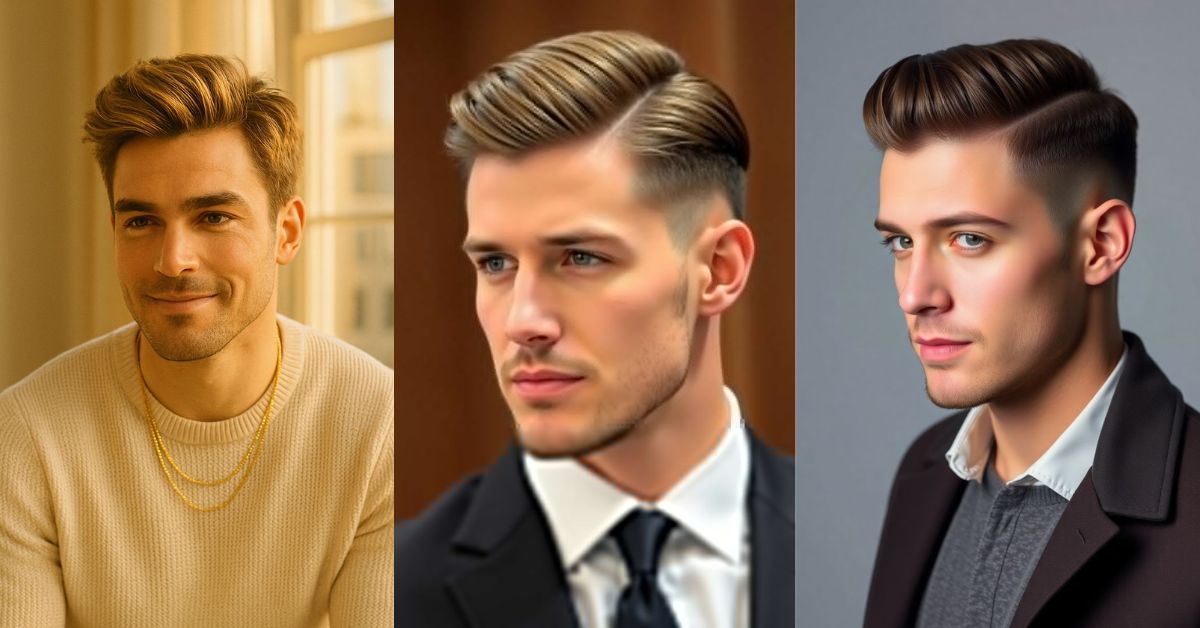
Men choose male side parting hairstyles because they deliver structure, authority, and versatility. You can wear a classic side part haircut in a boardroom, then transition the same cut into a modern side part men style for evenings. The side part fade haircut sharpens your profile, while a slicked back side part adds polish and density.
In this guide, I break down barber side part techniques, product chemistry, and real consultation case studies. I show you how to find your natural part line, how to style a side part with cowlick resistance, and how to select the right hold based on hair physics not marketing hype.
40 Male Side Parting Hairstyles
1. Classic Side Part
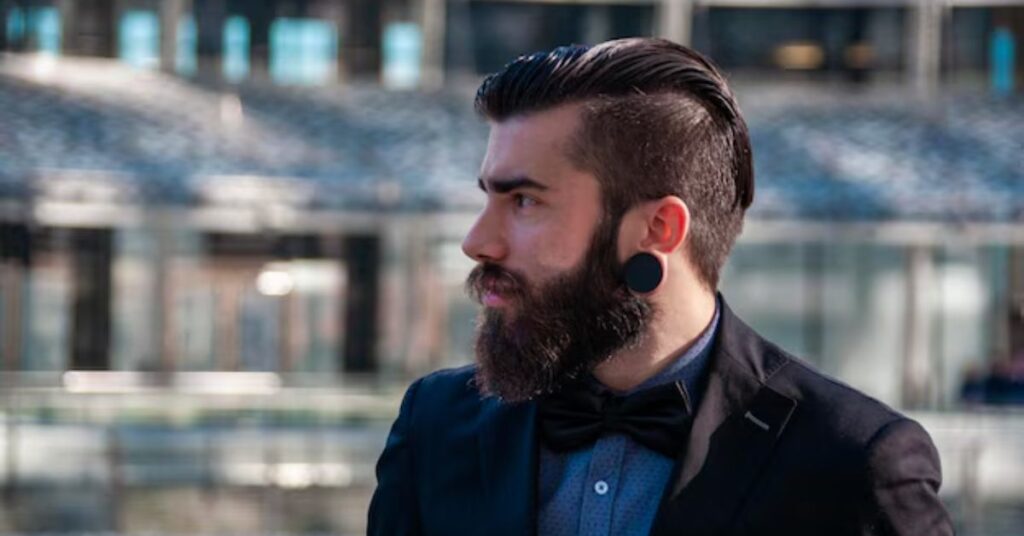
The Classic Side Part has survived decades of changing trends and for good reason. Hair is neatly directed to one side, sides are tapered clean, and the finish is sharp enough for a boardroom but relaxed enough for a dinner out. A small amount of light pomade is all you need to keep it locked in place all day without looking overdone.
- Best for oval and square face shapes the part naturally frames the jawline
- Light pomade gives hold without making hair look greasy or stiff
- Works in every setting: job interview, office, wedding, casual Friday
Barber Tip: Tell your barber to keep the part on your stronger side most people have one side where the hair naturally falls better. Go with your hair’s natural direction, not against it.
2. Modern Textured Side Part
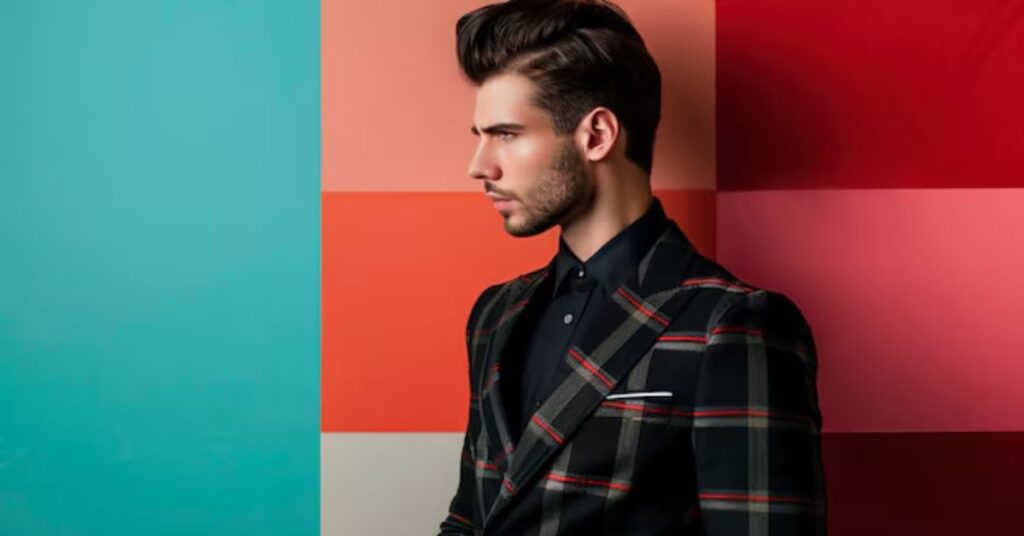
This one is for the guy who wants style but not effort. The top is layered to create natural movement, so hair doesn’t just sit flat it has depth and dimension. Matte clay gives separation and hold without imparting a wet, heavy appearance like gel does.
- Works best on medium length hair that has some natural body
- Matte clay holds the texture without making it look overdone
- With minimal styling, can be worn from casual to semi formal
Barber Tip: Ask for “point cutting” on the top this removes bulk from thick sections and creates that natural separation without making hair look choppy.
3. Side Part Fade

The fade is what makes this style modern. While the top stays full and long, the sides gradually drop to skin creating a sharp contrast that makes the whole cut look intentional and bold. The part line sits right at that transition point, giving the face a clean, defined frame.
- The contrast between top and faded sides highlights cheekbones and jawline
- Works on all face shapes the fade can be adjusted to flatter different structures
- Needs a touch up every 2 to 3 weeks to keep the fade looking sharp
Barber Tip: A high fade makes the cut more dramatic; a low fade keeps it subtle. Start with a low fade on your first try; you can always go higher later.
4. Slicked Back Side Part
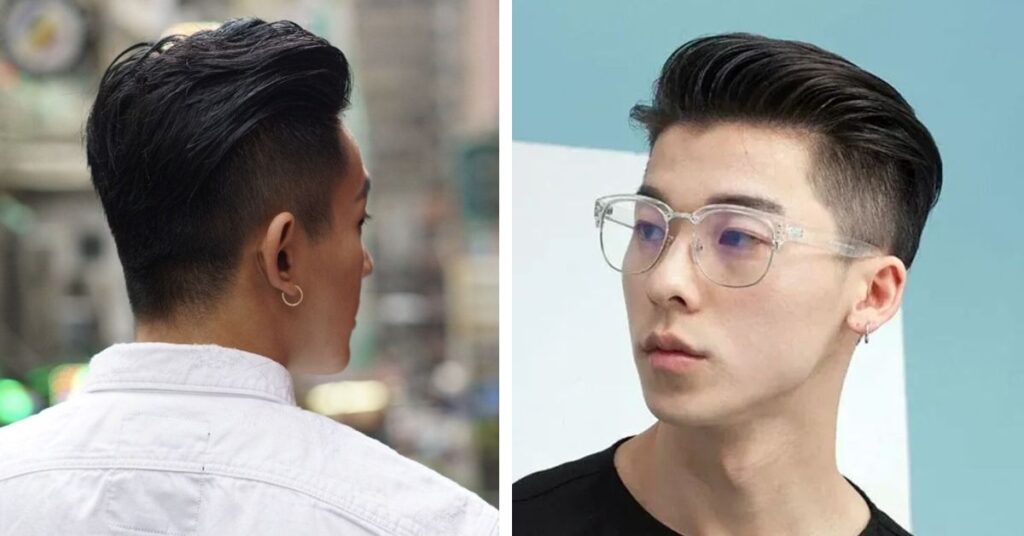
When you need to look put-together without question, this is the style to reach for. A smooth part is combed back and brushed flat, giving authority and confidence to the hairstyle. It works particularly well for black tie events or important professional settings.
- Fine to medium hair holds this style best thick hair can resist the sleek finish
- Pomade gives shine and hold; use sparingly to avoid the “wet head” look
- Part keeps the style structured so it doesn’t lose shape throughout the day
Barber Tip: Apply pomade to slightly damp hair not soaking wet, not fully dry. That middle point gives you the best control and the cleanest finish.
5. Side Part Undercut
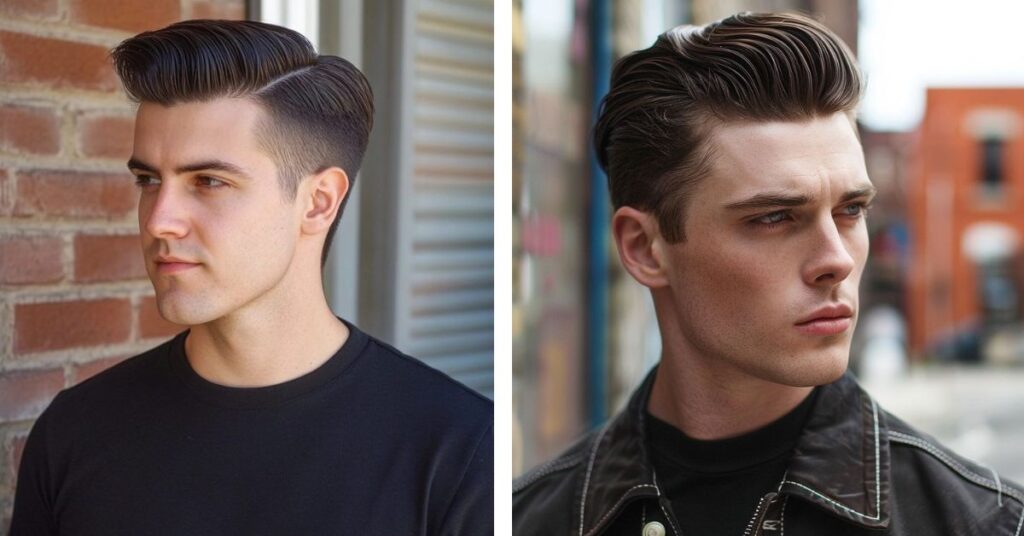
The undercut is where classic meets bold. The sides are cut close almost shaved while the top is kept long, creating a dramatic difference in length that draws all the attention upward. The part line cuts through that contrast cleanly, making the whole look feel deliberate rather than edgy for the sake of it.
- Works with straight and wavy hair waves on top add extra character
- The strong contrast between top and sides gives a modern, confident look
- Sides grow out quickly, so plan for a trim every 2 to 3 weeks
Barber Tip: If you want a softer undercut, ask your barber to blend slightly at the transition line instead of a hard cut off. The growth of the hair makes it look cleaner.
6. Textured Side Part with Fringe
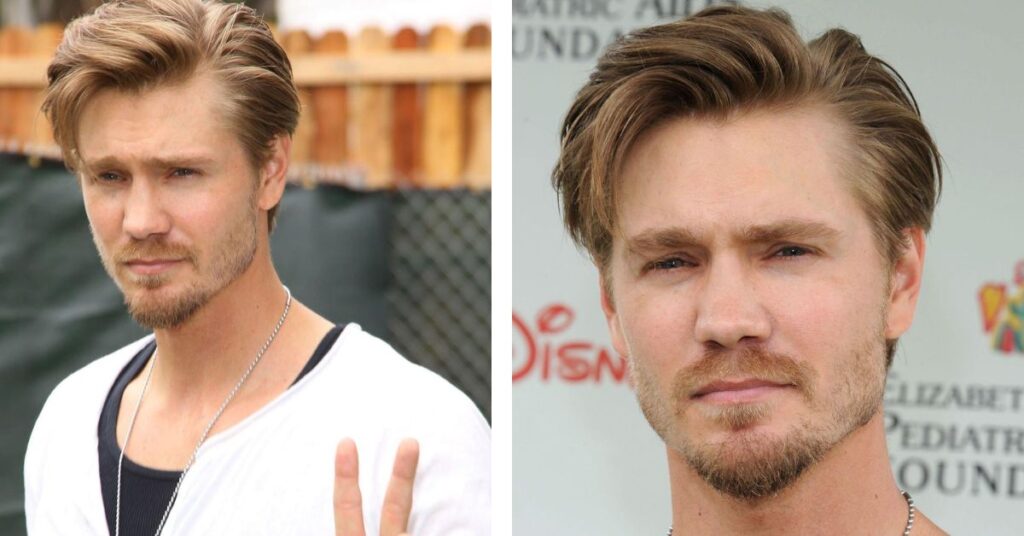
Fringe changes the whole feel of a side part. Instead of a sharp, structured look, the fringe softens everything; it breaks the harshness of strong features and gives a more relaxed, approachable vibe. There is still organization, but the overall feeling is effortless rather than rigid.
- Works well on thick or wavy hair that has enough body to hold fringe in place
- Styling paste adds definition without making the fringe look stiff or flat
- Great for guys who want something stylish but not overly formal
Barber Tip: Ask for the fringe to be cut at an angle rather than straight across diagonal fringe sweeps more naturally to the side and looks intentional rather than unfinished.
7. Hard Part with Fade
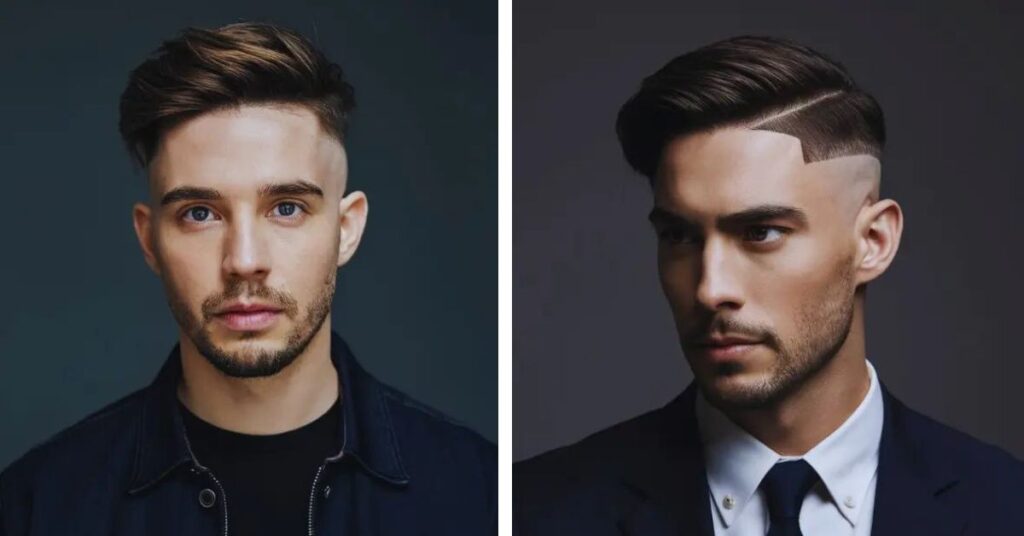
The hard part is a shaved line cut directly into the scalp no guessing where the part is. Combined with a fade on the sides, this style is as sharp as cuts get. Every edge is intentional. Every line is clean. It is the go-to for guys who want maximum precision in their haircut.
- Works on most hair types, but especially striking on thick or coarse hair
- The shaved part line stays visible even when hair gets slightly longer between cuts
- Highlights facial symmetry works particularly well for defined, angular faces
Barber Tip: The hard part line can be slightly curved or perfectly straight ask your barber which suits your head shape. A natural curve often looks better than a forced straight line.
8. Comb Over Side Part
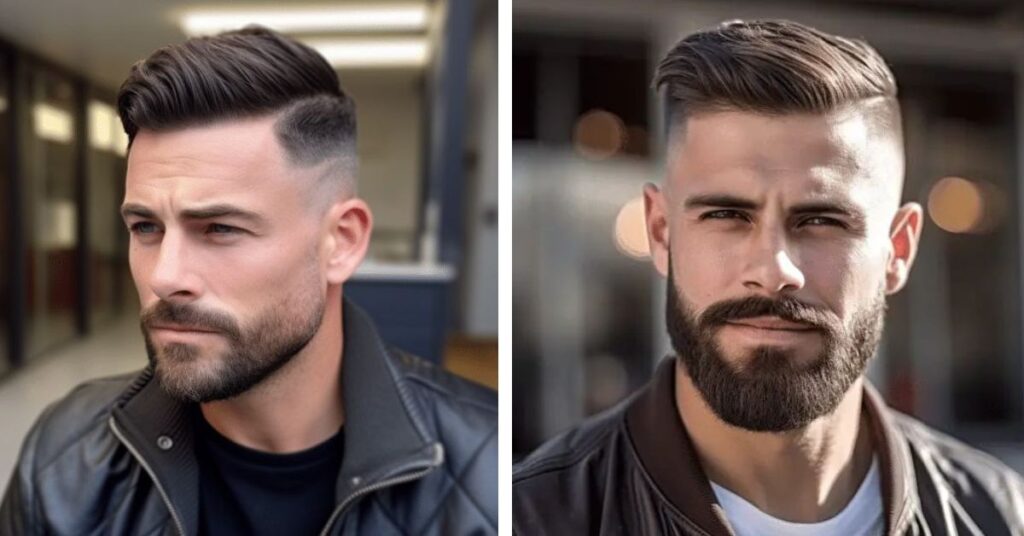
The comb over is a smart solution for anyone who wants more visual density on top. Longer hair from one side sweeps across, covering the parted area and creating a fuller looking top. It is classic in origin but very much still relevant especially when worn with a clean fade or taper underneath.
- Works on oval, square, and round faces the sweep adds visual width or length depending on direction
- A medium-hold product keeps the comb over in place without stiffness
- Particularly flattering for men with naturally fine or thinning hair
Barber Tip: The comb over works best when the hair on top is long enough to actually sweep at least 3 to 4 inches. Too short and it will not sit properly.
9. Side Part with Pompadour
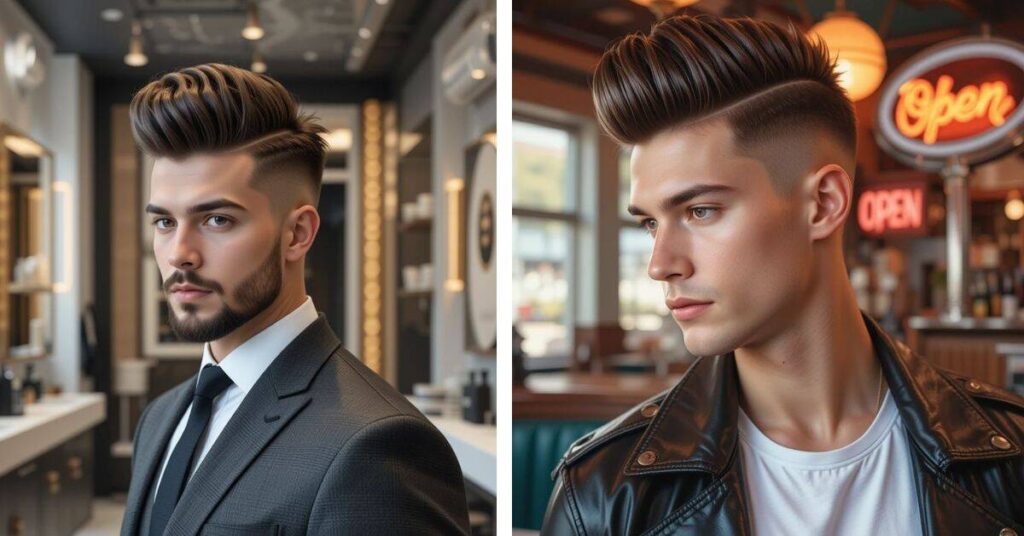
This is the style for someone who wants to make a statement. The front section of hair is lifted and swept back with volume, creating height that adds presence to the face. The side anchors the whole thing so the pompadour does not collapse into a mess the structure holds it together.
- Thick hair works best here fine hair will struggle to hold the volume
- Blow dry with a round brush to build lift before applying pomade
- The higher the pompadour, the stronger the product you will need to hold it
Barber Tip: Start blow drying from the roots, not the ends. Roots are where volume is built and ends just follow. Lift the hair with a brush while drying and the pompadour sets naturally.
10. Wavy Side Part

When your hair has natural waves, working with them rather than against them makes styling twice as easy. This cut lets waves move freely along the part line, creating a relaxed, natural look that requires almost no effort. Sea salt spray enhances the wave pattern and adds a light texture that makes the style look intentional.
- Works best on medium length hair short hair flattens waves, very long hair weighs them down
- Spraying sea salt on wavy hair enhances it without crunching it
- Suits casual and semi-formal occasions equally well
Barber Tip: Never brush wavy hair when dry it turns waves into frizz. Use your fingers or a wide-tooth comb on damp hair to guide the waves into place.
11. Curly Side Part

Curly hair and a side part is a combination that many men overlook but when done right, it looks incredible. The curls add volume and personality that straight hair simply cannot replicate, and the part gives it enough structure to look intentional rather than just “big hair.” The key is keeping the curls defined without making them stiff.
- Medium length curls work best long enough to show the curl pattern, short enough to stay controlled
- Curl cream defines and holds without the crunch that gel creates
- Avoid heavy products they weigh curls down and kill the volume
Barber Tip: Ask your barber to cut curly hair dry, not wet. Curly hair springs up significantly when it dries. A barber who cuts it wet may take off too much.
12. Side Part for Thin Hair

Thin hair does not have to mean flat, lifeless hair. The right cut and technique can make fine hair look significantly fuller. A side part with volume at the roots creates the illusion of density, and because the hair is swept to one side, any gaps or thin spots are naturally covered.
- Lightweight volumizing mousse or spray adds body without weighing hair down
- Avoid heavy waxes or thick pomades they flatten fine hair and make it look greasy
- The part itself draws the eye and adds the appearance of thickness through structure
Barber Tip: Tell your barber to keep the sides slightly longer than a normal fade if you have thin hair. Too much skin showing on the sides draws attention to hair thinness. A subtle taper is more flattering.
13. Side Part with Tapered Sides
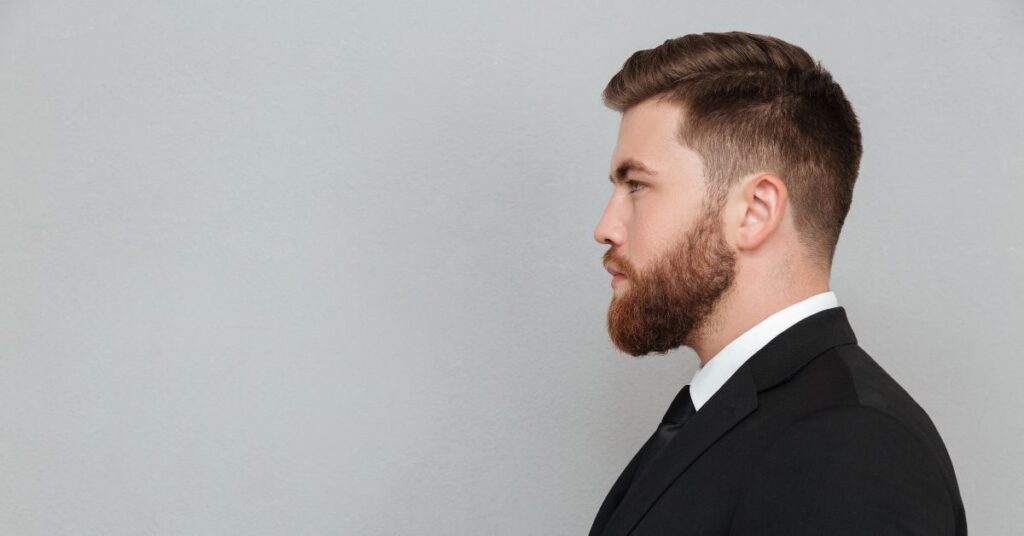
The taper is the more understated cousin of the fade. Instead of a dramatic drop to skin, the taper gradually reduces the length keeping more hair on the sides while still cleaning up the shape around the ears and neck. The result is polished without being loud.
- Works particularly well on oval and square faces where the structure is already defined
- Easier to maintain than a fade grows out more gracefully between cuts
- Sharp lines around the ear and neckline are what make this cut look professional
Barber Tip: A taper grows out more slowly and naturally than a fade. If you can only visit the barber once a month, a taper will look better longer than a fade will.
14. Short Side Part
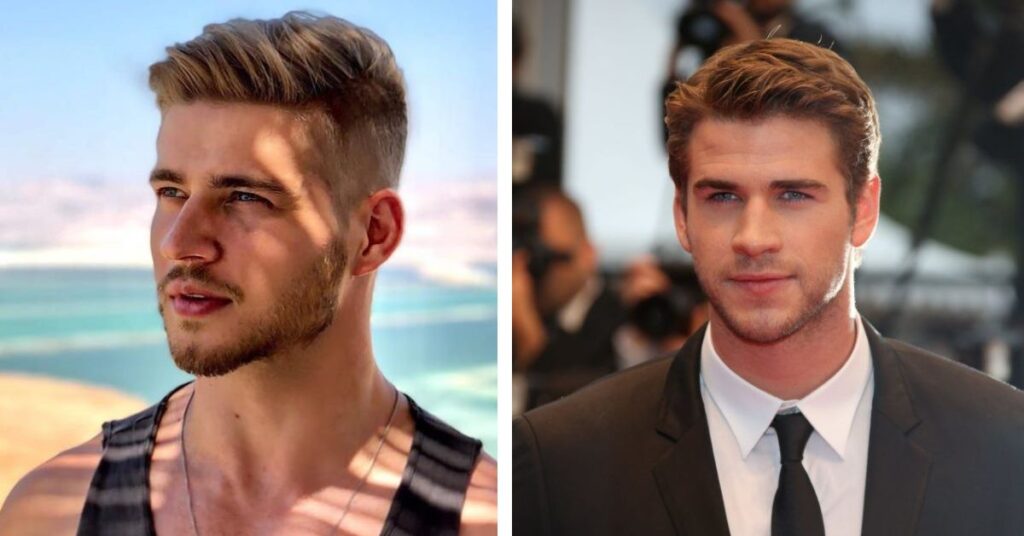
Sometimes less is more. The short side part keeps everything tight, clean, and completely low maintenance. The top is short enough that no major styling is required, a quick comb and a touch of product and you are done. For men with active lifestyles or limited time in the morning, this is one of the most practical cuts available.
- Works with almost all hair types and textures
- Takes 5 minutes or less to style each morning
- Grows out cleanly does not look messy between cuts
Barber Tip: Even though this cut is short, the part line matters. Ask your barber to define it slightly. A strong part on a short cut makes it look intentional rather than just buzzed.
15. Long Side Part
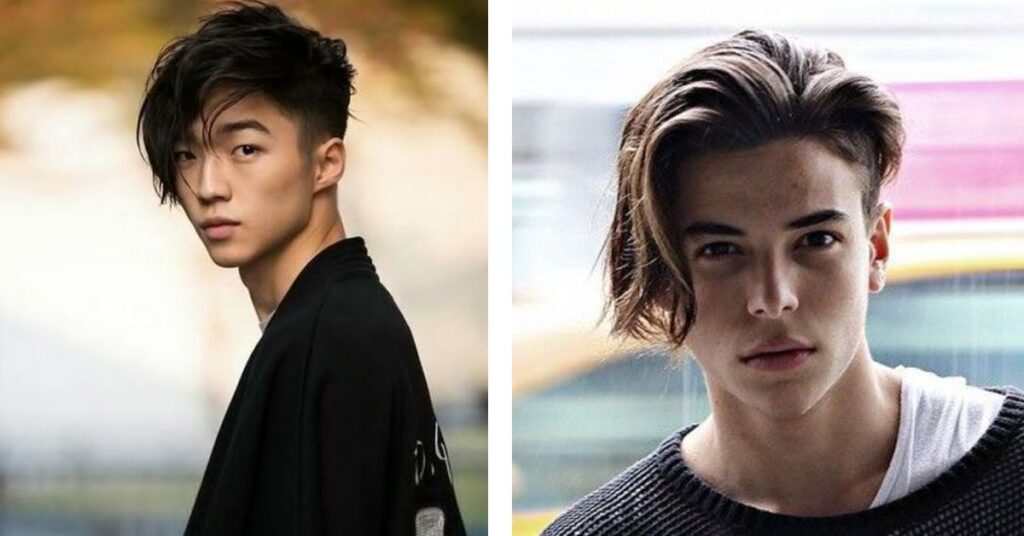
Long hair gives the side part a relaxed, slightly undone quality that shorter cuts cannot achieve. The hair drapes naturally along the part line and moves with you throughout the day. This style does not fight for attention, it just looks effortlessly put together, which is sometimes exactly the right move.
- Thick or wavy hair works best it holds the drape without going flat
- Light oil or a very small amount of cream manages length without stiffness
- Works for both casual and semi formal settings
Barber Tip: Long side parts need a very light hand with product. Too much and the hair looks weighed down and greasy. One small amount worked through with fingers is always enough.
16. Side Part with Low Fade
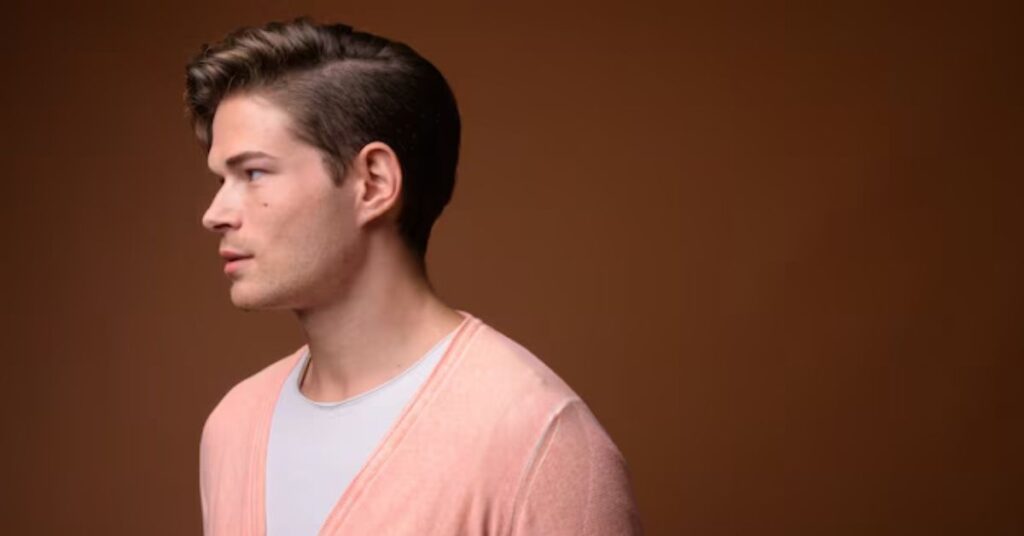
The low fade is the most subtle of all fades; it drops to skin only below the ear, leaving most of the side hair intact. This gives a clean, modern shape without the boldness of a high or mid fade. It is the ideal choice for professional environments where you want a fresh cut that is not too aggressive.
- Works well on straight and wavy hair
- The low fade keeps things polished without drawing too much attention to the sides
- Requires only light daily styling mostly just the top needs product
Barber Tip: A low fade is the most forgiving as it grows out. If you are new to fades and not sure how dramatic you want to go, start here you can always go higher on the next visit.
17. Side Part with Mid Fade
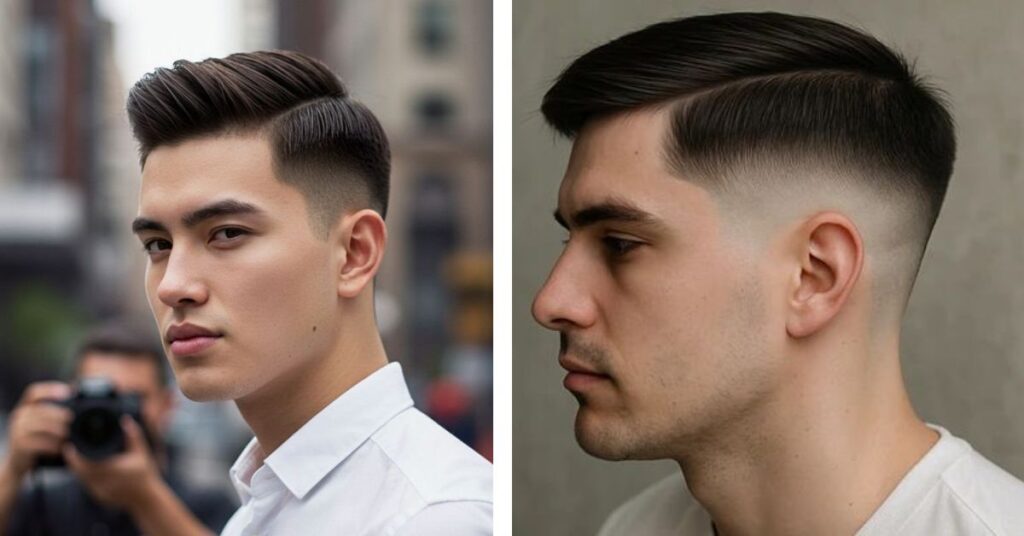
The mid fade hits right around the temple high enough to create real contrast with the top, but not so high that the cut feels aggressive. It is a genuine middle ground: modern enough to look current, conservative enough for professional settings. Most men find this is the sweet spot.
- Enhances cheekbones and facial structure because the fade draws the eye upward
- Works on all hair textures the fade adapts to straight, wavy, and curly hair
- One of the most versatile fades appropriate in almost any setting
Barber Tip: Mid fade and mid taper are not the same thing. A fade goes to skin; a taper leaves some hair. Make sure you tell your barber which you actually want before the cut starts.
18. Side Part with High Fade
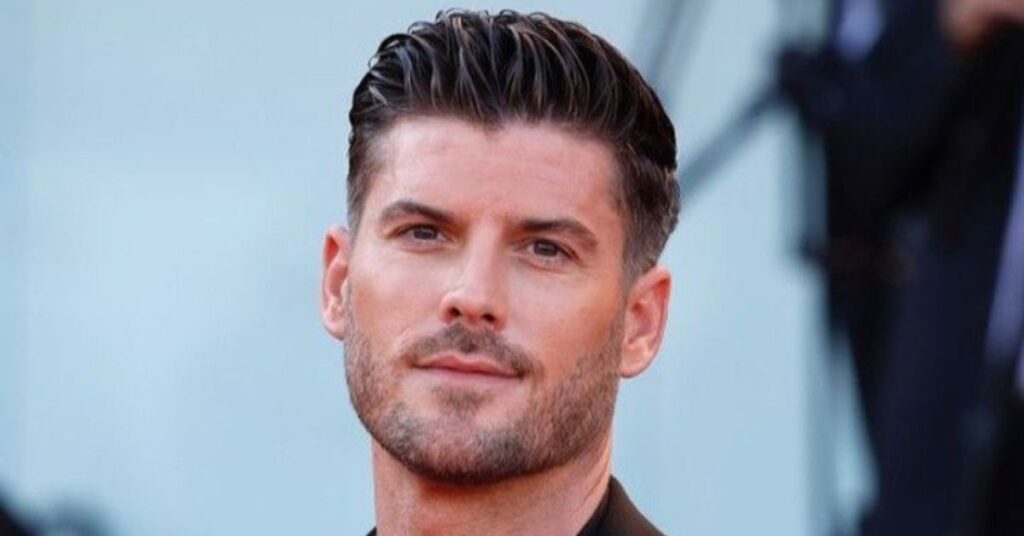
The high fade is a bold choice and it knows it. The sides drop almost entirely to skin from well above the ear, creating maximum contrast with whatever is happening on top. This cut signals confidence and works best on men who are comfortable with their haircut being noticed.
- Thick hair on top is important here it needs to balance the dramatic sides
- Requires a barber visit every 2 weeks to keep the fade looking sharp
- The high fade pairs especially well with slick styles or pompadour tops
Barber Tip: A high fade with a defined part line makes everything look sharper. Ask your barber to line up the part even if you are going for a more casual top the structure of the fade demands clean edges to match.
19. Layered Side Part
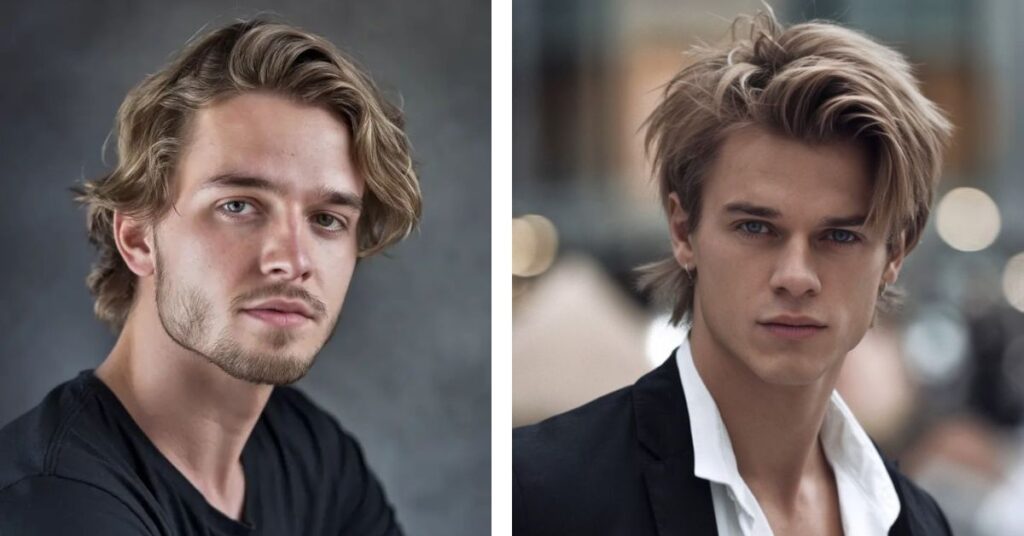
Layers change how hair sits and moves. Instead of all the hair lying flat at the same length, layers create different levels, some sections sit higher, some lower, and the result is a cut that looks fuller and more dynamic. The part stays clear, giving the layers a defined starting point rather than looking chaotic.
- Works on medium to long hair short hair does not have enough length to show layers properly
- A light styling product enhances the natural movement of the layers
- Works on both thick and fine hair, though for different reasons thick hair needs layers to reduce bulk; fine hair gains visual density
Barber Tip: Ask specifically for “faceframing layers” if you want the effect to be most noticeable from the front. Generic layers add movement but face framing ones make the biggest visual difference.
20. Messy Side Part
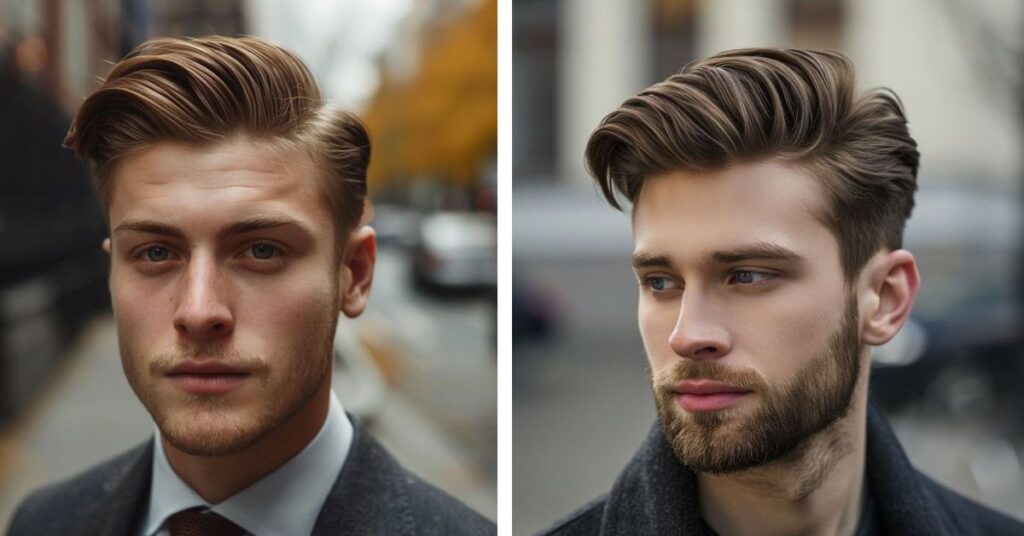
The messy side part is intentionally undone but there is a difference between a style that looks effortlessly casual and hair that just looks like you forgot to comb it. The part keeps it from crossing that line. Even with tousled, textured hair on top, the part tells people this was a choice.
- Matte clay is ideal it creates texture and separation without shine
- Works on most hair types; wavy hair naturally enhances the messy effect
- Best for casual and creative environments rather than formal settings
Barber Tip: Apply matte clay to completely dry hair for maximum texture. Applying it to damp hair gives more control but less of the rough, lived-in finish that makes this style work.
21. Side Part with Fringe Sweep
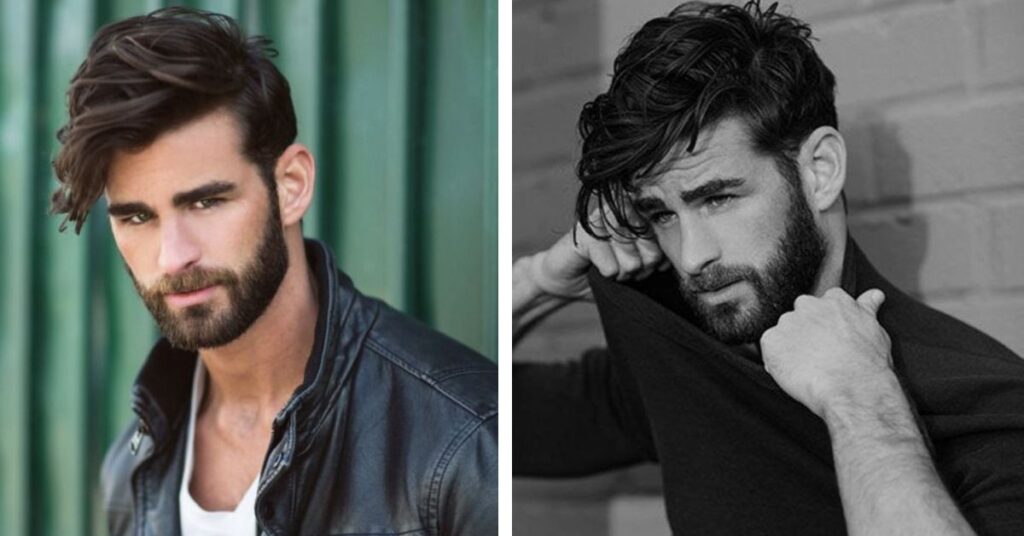
A fringe that sweeps across the forehead rather than hanging straight down does something clever: it creates diagonal movement that draws the eye across the face rather than downward. The added visual width makes it particularly flattering for men with longer or narrower faces.
- Works well on medium-length hair with enough weight to sweep naturally
- A small amount of light paste keeps the fringe swept without stiffness
- Great for men who want to soften strong or angular facial features
Barber Tip: The fringe sweep needs to be cut longer on one side to fall correctly. Make sure your barber knows which direction you want it to go. This should be decided before scissors touch your hair.
22. Angular Side Part
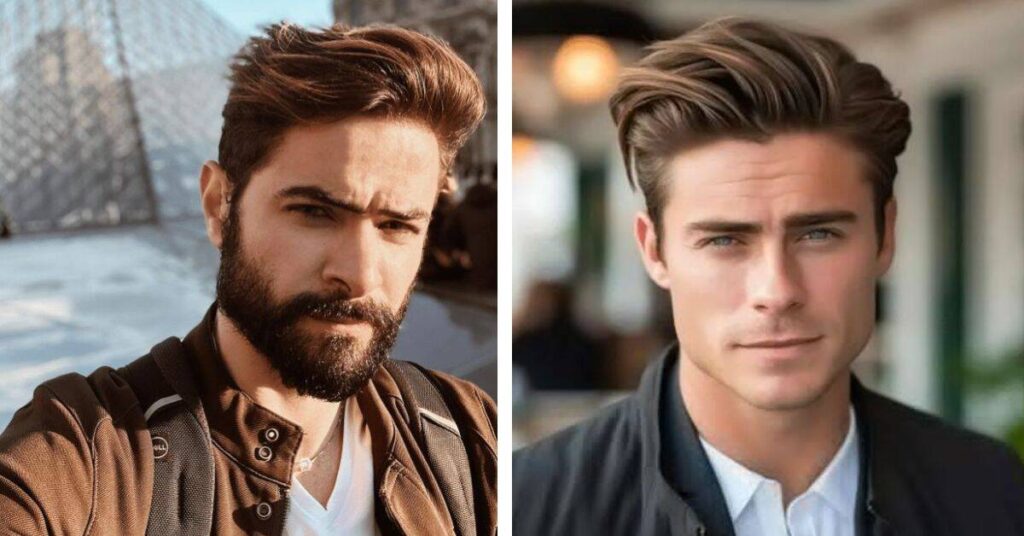
Where most side parts create a soft, natural transition, the angular side part draws a sharp, deliberate line. The part itself cuts across at a strong angle, and the hair follows in a clean, intentional direction. This is the version for men who want their haircut to communicate precision and authority.
- Works best on straight hair wavy or curly hair softens the angular effect
- Enhances and highlights strong facial features like a sharp jaw or defined cheekbones
- A medium hold product keeps the angle locked throughout the day
Barber Tip: The sharpness of this style lives or dies by the part line. Ask your barber to define it clearly with a comb and if possible a razor a vague part line kills the whole angular effect.
23. Side Part with Slick Finish
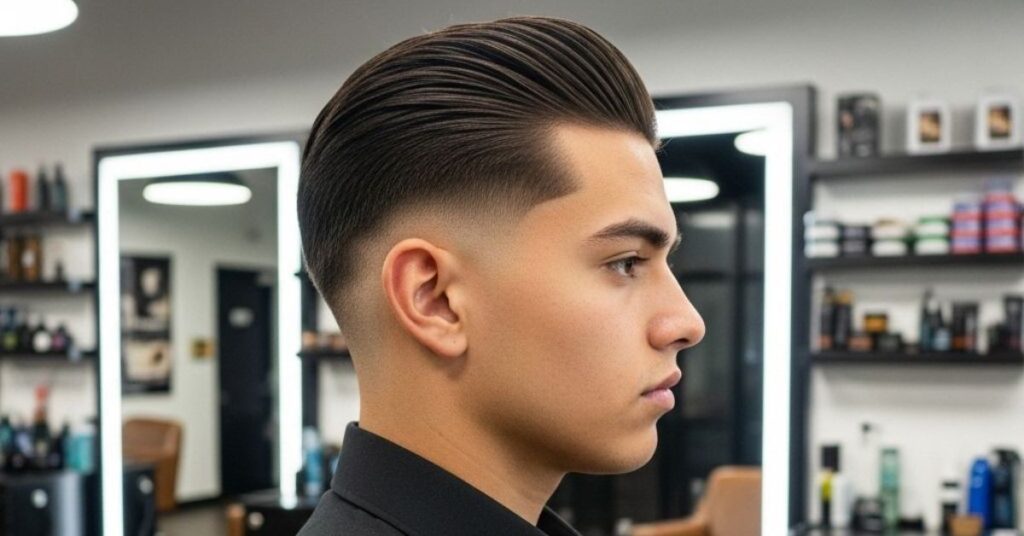
There is something timeless about hair that is completely smooth and controlled. The slick finish takes the side part and removes all texture, all movement, all looseness. What remains is a clean, glossy surface that reflects light and reads as elegant and composed. This is the formal version of the side part.
- Pomade gives the best combination of hold and shine for this look
- Works well on fine to medium hair; very thick hair may resist the flat, smooth finish
- Ideal for evening events, formal occasions, or very conservative professional settings
Barber Tip: Do not over-apply. One small amount of pomade is enough to create a wet, heavy look that tips from elegant into greasy. Start with less and add only if needed.
24. Side Part with Volume Lift
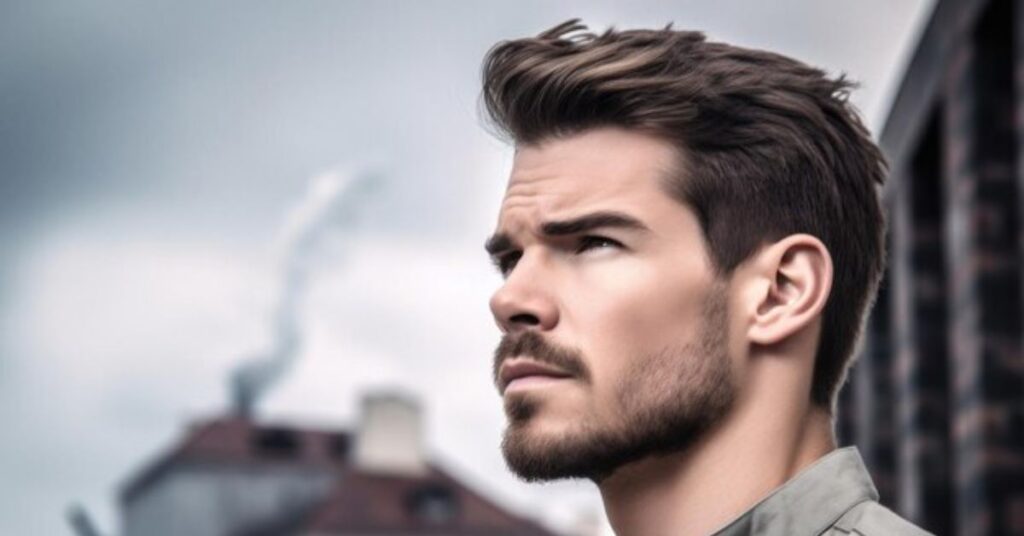
Fine or flat hair often struggles to look like much but lift at the roots changes everything. By blow drying the roots upward before laying the hair to the side, you create height that makes the hair look significantly fuller and more substantial. The part holds the lifted hair in a structured direction so it does not just collapse.
- Volumizing mousse applied before blow-drying gives the lift its staying power
- Avoid heavy products after blow drying they pull the volume back down
- Works particularly well in professional settings where a polished, full looking style matters
Barber Tip: Blow dry your hair against the direction it will sit in final styling, lift it the opposite way first, then comb it into place. This “over-directing” technique builds dramatically more root lift than just drying it in the final position.
25. Side Part with Textured Fringe
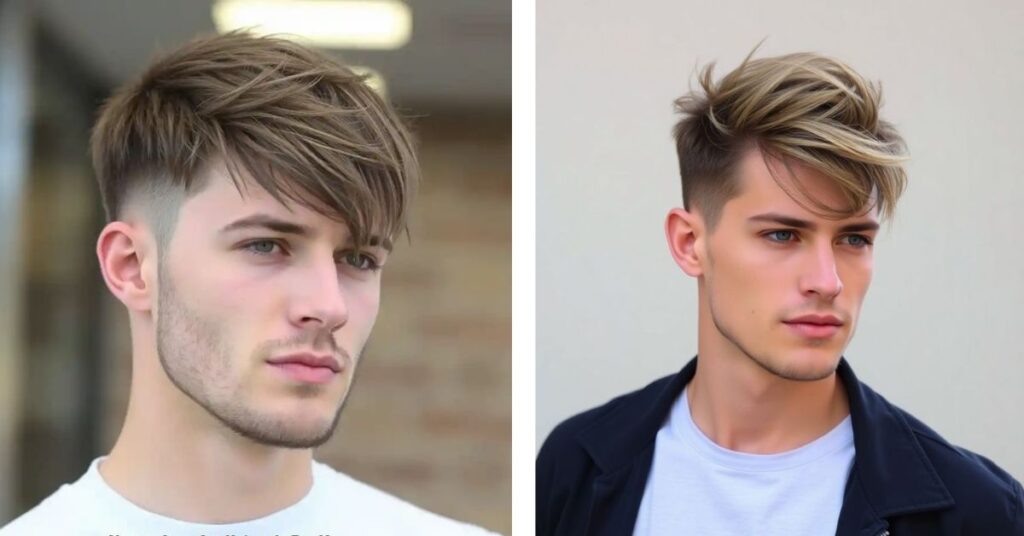
This style combines two things that work well together: the definition of a side part and the softness of textured fringe. The fringe does not lie flat; it has movement and separation, creating a layered look that feels much more dynamic than a standard side part. The overall effect is relaxed but clearly styled.
- Works best on thick or wavy hair that naturally holds texture without much product
- Matte clay enhances the separation between fringe layers without making them stiff
- Bridges the gap between casual and semi formal can work in most settings
Barber Tip: Ask your barber to texturize the fringe with scissors rather than a razor if you have fine hair. A razor cutting fine hair can make it look wispy rather than textured.
26. Side Part with Shadow Fade
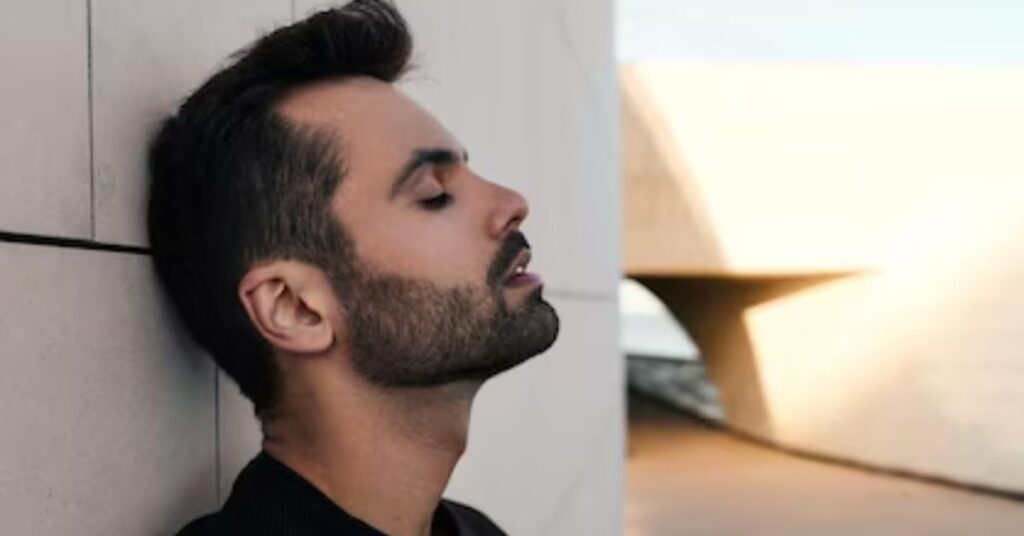
The shadow fade is more subtle than a standard fade. Instead of going to skin, the hair gradually darkens from a very short length rather than disappearing entirely. The result is depth and dimension without the stark contrast of a traditional fade. It is modern but quiet.
- Works on straight and slightly curly hair the shadow effect is most visible on darker hair
- Adds a natural looking contrast that enhances the structure of the face
- The softer fade makes this style appropriate across a wider range of settings
Barber Tip: Shadow fades require a barber who is comfortable with blending the whole point is a seamless transition. Ask to see examples of their shadow fade work before committing.
27. Side Part with Hard Lines
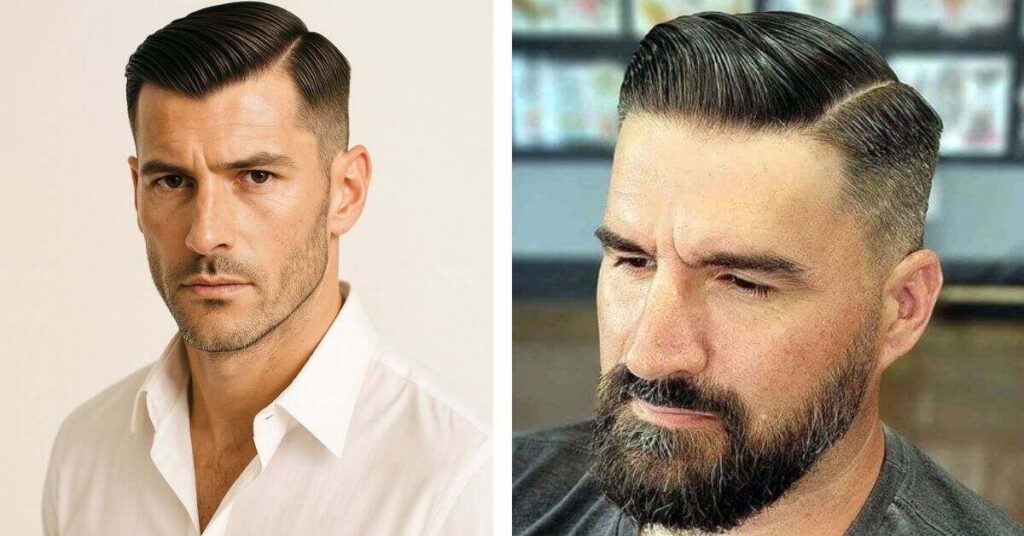
Hard lines are razor-cut edges that define specific boundaries in the haircut around the hairline, above the ear, along the neckline. Combined with a sharp side part, these lines give the whole cut a graphic, architectural quality. Nothing about this style is accidental.
- Best suited to thick or coarse hair that holds its shape against the defined edges
- Requires genuine skill from a barber hard lines that are slightly off are very noticeable
- Ideal for fashion-forward or creative environments; may be too bold for conservative workplaces
Barber Tip: Hard lines fade fastest at the hairline and neckline. These areas need touching up every 1 to 2 weeks to keep the cut looking intentional, let them go too long and the sharpness of the style disappears.
28. Side Part with Disconnected Sides
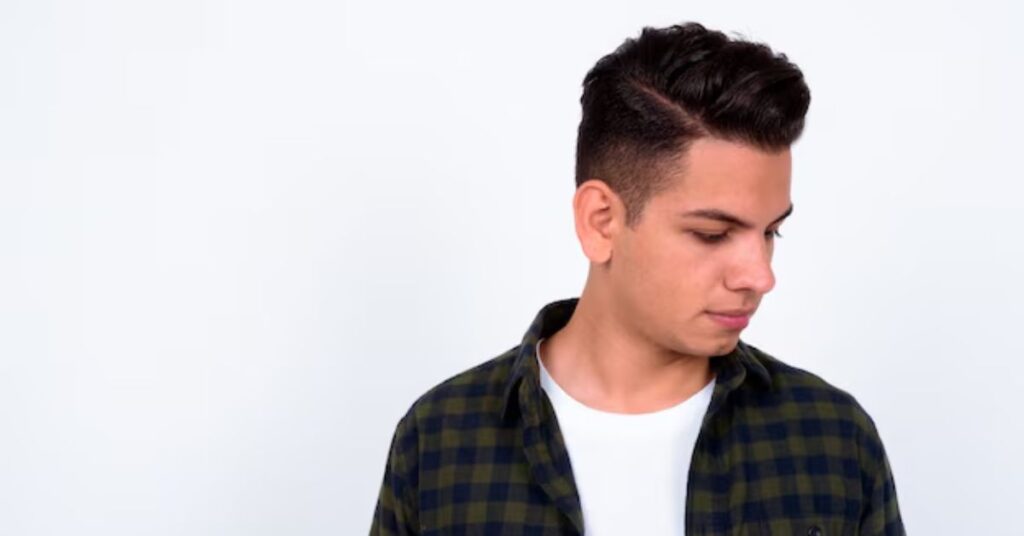
A gradual transition occurs between the sides and the tops of most side parts. The disconnected side part removes that transition entirely; the long top and the short sides do not blend; they simply stop and start. The gap between them is the whole point, creating contrast so dramatic it almost looks like two different cuts existing on the same head.
- It works best on tops with medium to long hair because it reads as a contrast only when the top is really long
- Needs regular styling to keep the top hair from collapsing into the sides
- A bold, modern choice that works well in creative, fashion conscious environments
Barber Tip: The disconnection line needs to stay crisp between cuts, ask your barber to clipper the sides cleanly up to that exact line every visit, and never let it blur into a blend.
29. Side Part with Angular Fringe
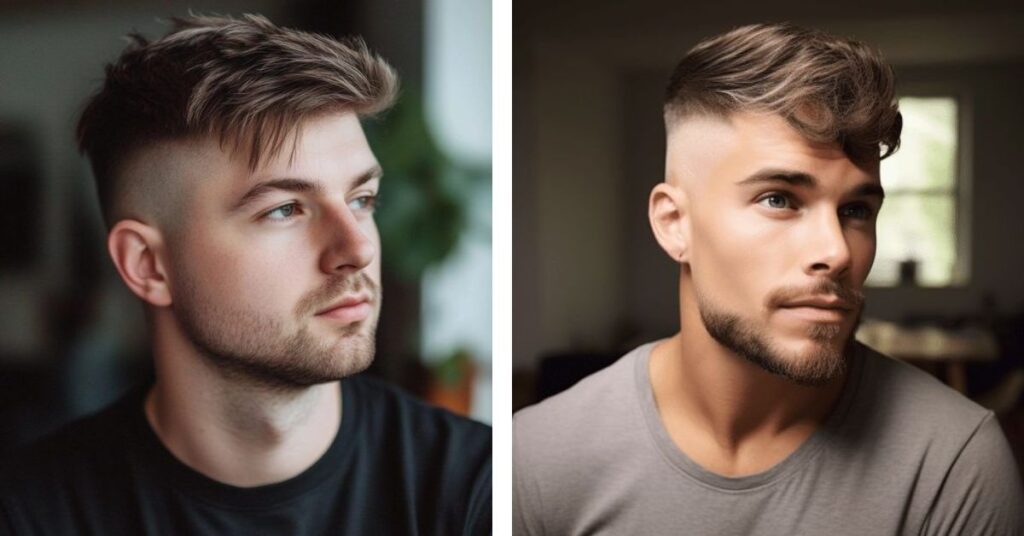
The angular fringe is cut on a diagonal rather than straight across, creating a fringe that moves in a specific direction and adds visual motion to the front of the style. Where a standard fringe sits flat, an angular fringe sweeps giving the whole look a more dynamic, forward-moving energy.
- Works particularly well on thick or wavy hair that naturally follows the angled direction
- A light product maintains the sweep without flattening the fringe
- Gives the style a distinctly modern edge compared to classic side part cuts
Barber Tip: The angle of the fringe cut should complement your part direction if the part is on the left, the fringe should angle down to the right to create flow, not fight against it.
30. Side Part with Curved Part
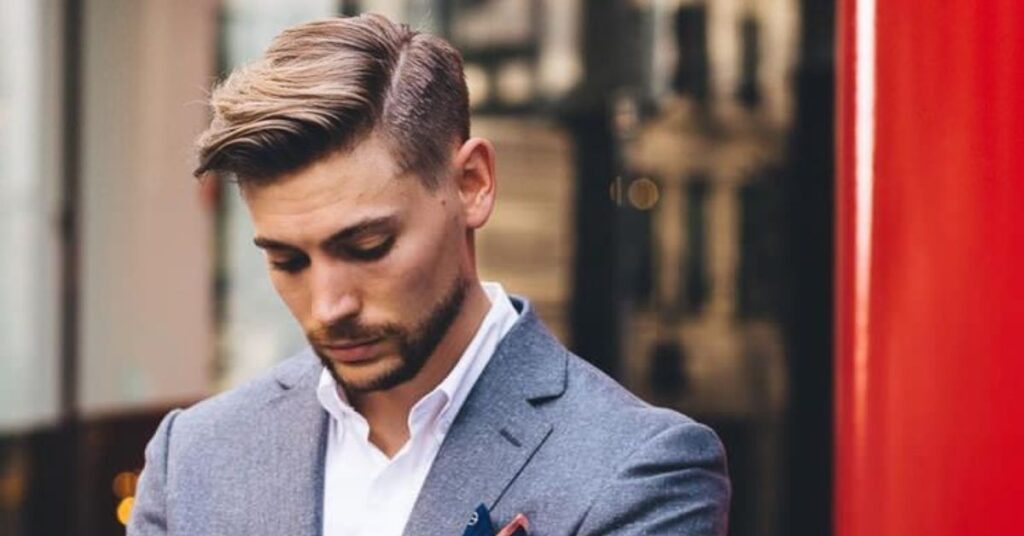
A standard part line is straight; a curved part line follows the natural roundness of the head. The difference is subtle but noticeable: the curved part feels more natural, less rigid, and slightly more relaxed than a ruler straight line. For men with softer features, this slight curve can make the whole cut feel more proportionate.
- Works on most hair textures and face shapes
- Softens the look for men who find angular cuts too sharp for their features
- Minimal product needed the curved part works with the natural direction of hair growth
Barber Tip: Ask your barber to follow your natural hair growth pattern when setting the part line if your hair naturally curves in a particular direction, a curved part that follows it will hold better throughout the day than a forced straight line.
31. Side Part with Razor Texture
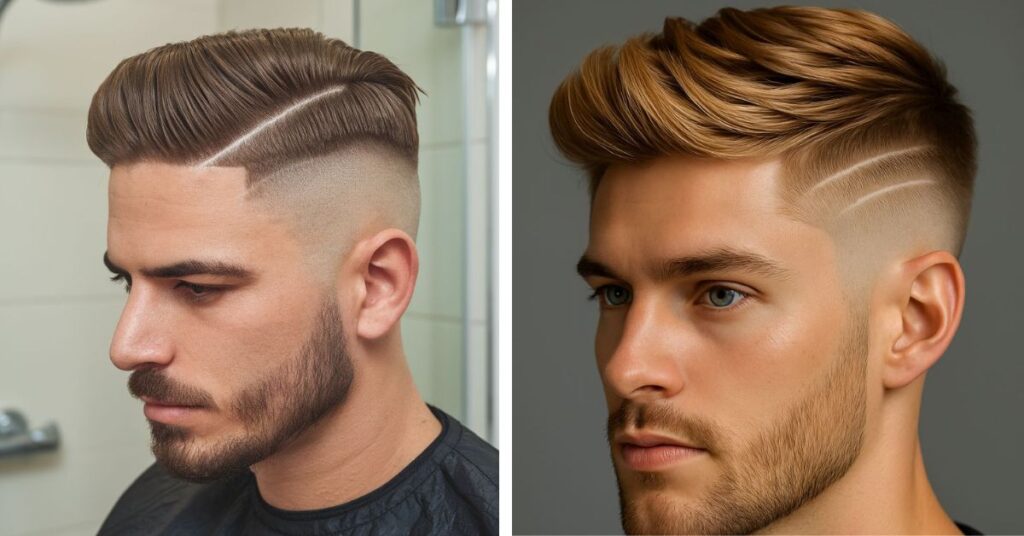
Razor cutting creates a very specific kind of texture not chunky or blunt, but fine and feathered. When applied to the top of a side part, razor texture gives the hair a lived-in quality that looks effortless. The ends are soft rather than sharp, which makes the whole style feel more relaxed even while the part keeps it structured.
- Works best on textured or thick hair fine hair can become too wispy with razor cutting
- Matte clay brings out the razor texture and holds the shape without shine
- Suits casual and semi-formal occasions where you want to look styled but not stiff
Barber Tip: Water based pomade gives a similar shine to oil based but washes out easily. The water based version is more practical if you wear this style frequently. Your pillowcase will also thank you.
32. Side Part with Pomade Slick
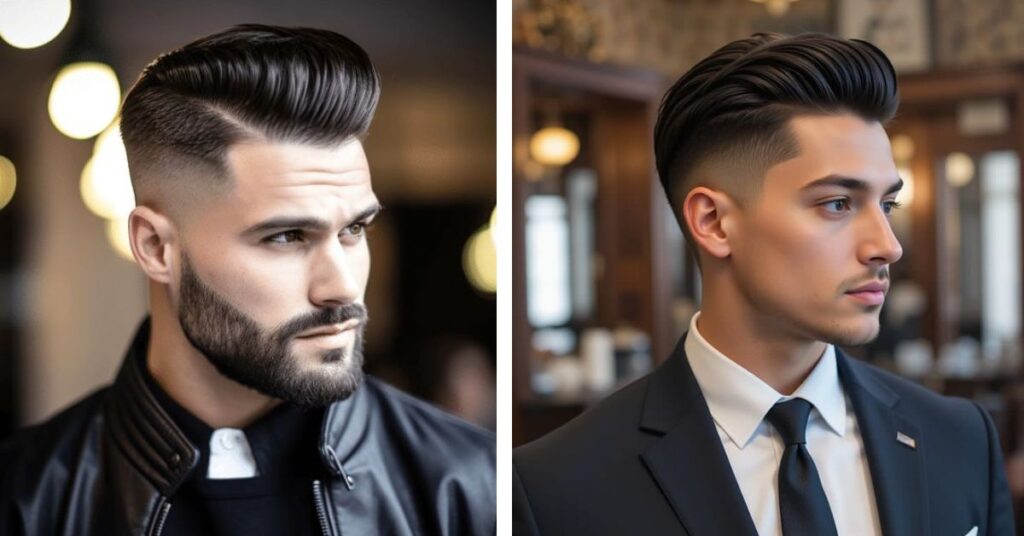
If the messy side part is casual Saturday, the pomade slick is formal Saturday night. Every strand is smoothed into place, the part is clean, the shine is visible across the room. This style communicates that you dressed with intention and it pairs with a suit the way very few haircuts do.
- Fine to medium hair takes pomade best and holds the slick longest
- Apply pomade to damp hair for maximum smoothness and control
- Works best for evening events, formal occasions, and high-stakes professional settings
Barber Tip: Water based pomade gives a similar shine to oil-based but washes out easily. If you wear this style regularly, water-based is far more practical. Your pillowcase will also thank you.
33. Side Part with Messy Waves

Natural waves combined with intentional dishevelment produce something that is genuinely hard to fake a relaxed, carefree look that still reads as styled. The part provides the only structure here; everything else is allowed to move freely. The result is a style that looks like you just had a great day outdoors and your hair went along for the ride.
- Medium length hair works best long enough to show the wave pattern, short enough to stay manageable
- Avoid heavy product; a light texturizing spray or nothing at all keeps the waves natural
- Best for casual everyday wear this style does not translate to formal settings
Barber Tip: Ask your barber for minimal layering on top of too many layers and wavy hair starts looking choppy. One or two well-placed layers are enough to let the waves breathe without becoming chaotic.
34. Side Part with Low Taper
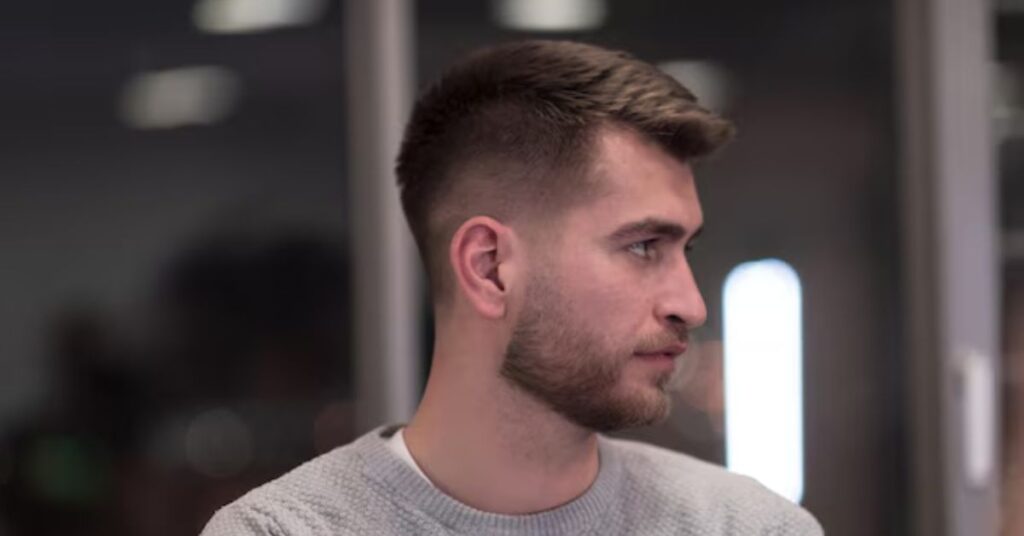
The low taper is the professional’s choice. It cleans up the sides just enough tightening around the ear and neck without going aggressively short or creating dramatic contrast. The result is a neat, controlled haircut that works equally well in a corporate office and a client facing role. Nothing about it distracts; it just looks right.
- Works on straight and wavy hair the subtle taper suits both without overpowering either
- Very easy to maintain grows out gradually rather than looking overgrown quickly
- Particularly good for face shapes that do not need dramatic fade contrast
Barber Tip: The low taper is defined by the neckline. Ask your barber to square off the neckline rather than rounding it. A squared neckline reads sharper and more professional even on a subtle taper.
35. Side Part with Mid Taper
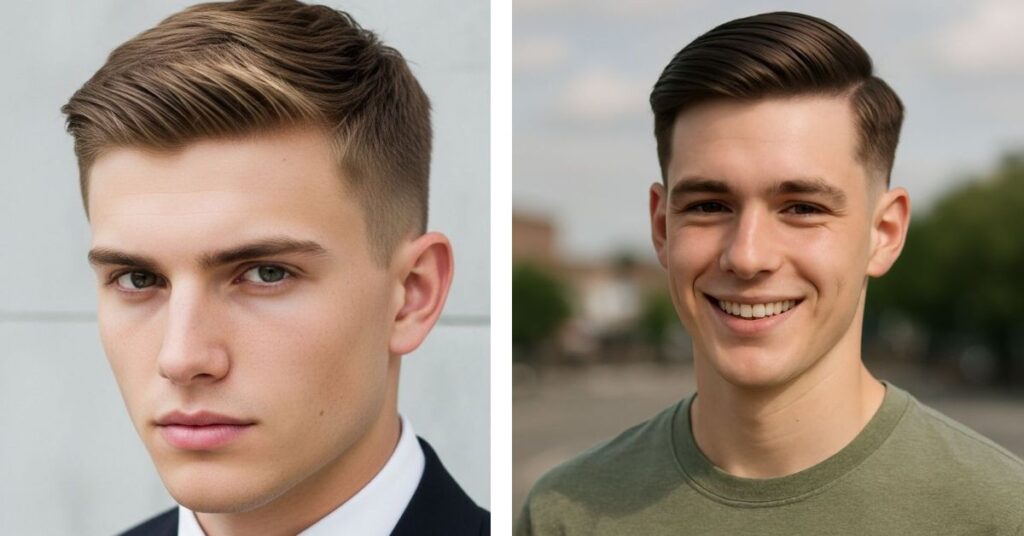
The mid taper sits in the same territory as the mid fade but keeps more hair on the sides; the gradual reduction in length creates shape and structure without skin showing. It is a clean, versatile cut that hits the right balance between polished and approachable. It works in almost any room.
- Works across all hair textures the taper adapts to whatever hair type it is applied to
- Relaxed enough for the weekend, professional enough for the office
- Grows out cleanly does not need constant maintenance to stay looking good
Barber Tip: If you want to test how a fade would look before committing, ask for a mid taper first. The shape is similar, but with more hair remaining on the sides if you like it, go shorter on the next visit.
36. Side Part with High Taper
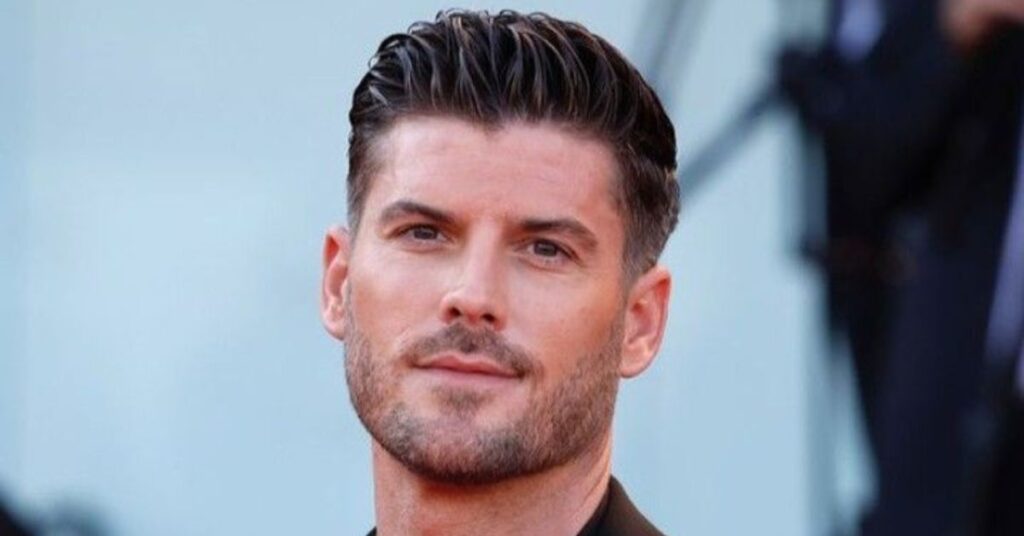
The high taper reduces hair length significantly up the sides more aggressively than a low or mid taper but still does not reach skin the way a fade does. The result is high contrast with a slightly softer edge. It is bold, modern, and works particularly well with thick hair that needs to be controlled.
- Thick hair benefits most the high taper removes bulk from the sides that would otherwise overpower the top
- Works with straight and wavy hair; curly hair creates a more dramatic effect
- A strong visual statement that suits confident personal styles
Barber Tip: High tapers require the sides to be blended carefully and ask your barber to fade the transition between lengths rather than cutting a hard line. A blended high taper looks sculpted; an unblended one looks unfinished.
37. Side Part with Layered Top
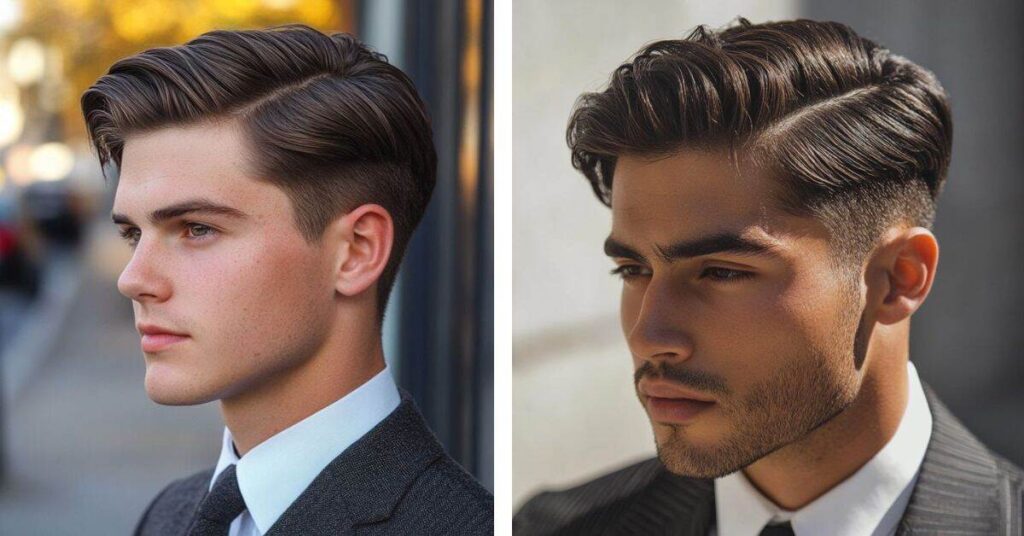
Layers on the top of a side part add something that a single-length cut simply cannot: movement. As you go about your day, the layered sections shift and settle differently, giving the hair a lively, dynamic quality. The part gives the layers a clear starting point so the movement reads as intentional rather than messy.
- Works best on medium to long hair where layers have enough length to show separation
- A light styling product enhances the movement of the layers without weighing them down
- Works on both thick hair (where layers reduce bulk) and fine hair (where layers add visual texture)
Barber Tip: Ask for layers that start from the crown rather than the front crown layers create volume and movement from the top down, which looks the most natural for a side part style.
38. Side Part with Short Sides

Short sides remove all the complexity from the equation. The top and the part do all the talking; the sides are simply kept clean and close, keeping the focus where it belongs. The result is a neat, low-maintenance cut that works in any setting and requires almost no daily effort to look good.
- Works well on straight and wavy hair any texture that lies relatively flat on top
- Minimal product required a light pomade or nothing at all is sufficient
- Grows out slowly and maintains its basic shape between cuts
Barber Tip: Short sides look sharpest when the skin-line around the ear is clearly defined. Ask your barber to outline the ear and neckline even on a simple short sided cut; that edge is what separates a clean cut from a haircut that just looks grown out.
39. Side Part with Tapered Back

The back is just as important as the sides in most side part discussions. A tapered back gradually reduces the hair length as it meets the neckline, creating a smooth transition from the longer top to the clean neck area. The result is a cut that looks polished from every angle, not just the front.
- Works well for medium to long hair on top where the back can taper meaningfully
- Keeps hair controlled and close to the head at the neckline no bulk or awkward growth at the collar
- Especially important for professional settings where the back of the head is visible in meetings
Barber Tip: Ask your barber to show you the back with a second mirror before leaving the chair. The taper should transition smoothly any abrupt lines or uneven blending at the neckline will be visible to everyone behind you.
40. Side Part with Volume Control
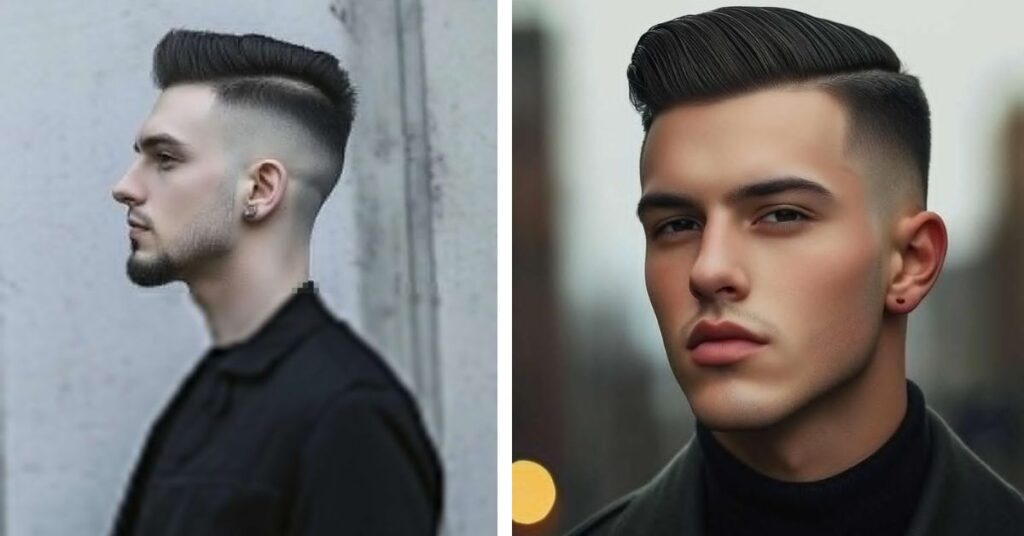
Some hair wants to do too much. Thick or high-volume hair can overpower a side part completely, making the style look overwhelming rather than intentional. Volume control styling addresses this directly; the hair is lifted just enough to look full and dynamic, then held in place so it does not expand beyond where it should be.
- Works on fine, thick, and wavy hair for different reasons in each case
- Light hold products maintain the shape without flattening; avoid heavy waxes that pin hair down
- A versatile, everyday style that adapts from professional to casual settings without restyling
Barber Tip: Volume control starts at the cut, not the styling. Ask your barber to remove some internal weight from thick hair using thinning shears. This reduces bulk from inside the hair without changing the outer shape, making it much easier to control at home.
The Consultation Analysis (Case Studies from the Chair)
Case Study 1: Strong Cowlick, Resistant Hairline
Before:
Client shows a dominant clockwise cowlick at the front right quadrant.
Problem:
The hair splits unpredictably and collapses when forced left.
After:
I create a soft undercut side part tutorial approach. I cut the top at a 45° shear angle to reduce bulk near the swirl. I apply medium-density pomade and blow-dry in the cowlick’s natural direction before redirecting slightly.
Result:
The side part for wavy hair structure holds naturally because I work with growth not against it.
Case Study 2: Side Part for Thin Hair Men
Before:
Client shows density loss at the crown and fine frontal strands.
Problem:
Heavy pomade exposes scalp visibility.
After:
I build volume using vertical point cutting. I keep the sides tighter with a taper fade to increase contrast. I apply lightweight PVP-based volumizing spray and finish with matte wax.
Result:
You create an illusion of density through lift and shadow.
Case Study 3: Thick, Unmanageable Hair
Before:
Client has coarse, high-density hair that resists sleek styling.
Problem:
Product overload creates greasy separation.
After:
I use thinning shears at 30° to debulk internal mass. I section deliberately and establish a defined hard part line. I apply low-shine clay in small emulsified amounts.
Result:
The slicked back side part stays controlled without stiffness.
The Physics of the Part (Geometry & Growth Patterns)
You must understand head geometry before cutting.
Step 1: Identify Natural Growth Pattern
You dampen the hair and push it forward. The hair separates naturally along the dominant ridge. That line marks your natural part line.
Step 2: Forcing a Part (Resistant Hair)
Blow-dry the roots in the desired direction to retrain growth patterns.
Apply a pre-styler to build structure and improve control.
Establish a light razor-guided hard part to define separation.
Never fight dry hair. Reshape the roots using heat and controlled tension instead.
Step 3: Compliant Hair Strategy
If the client has soft hair:
- You avoid aggressive heat.
- You use minimal products.
- You preserve natural flow.
Product Chemistry Lab: The Science Behind the Hold
You should not choose products blindly. You must understand ingredient behavior.
| Ingredient | Function | Best For Hair Type | Finish Type | Hold Strength |
| Beeswax | Creates flexible hold | Thick, coarse hair | Natural | Medium-High |
| Lanolin | Adds moisture + softness | Dry, textured hair | Slight shine | Medium |
| PVP Copolymer | Film-forming volumizer | Fine / thin hair | Matte | Medium |
| Kaolin Clay | Absorbs oil, boosts texture | Oily or flat hair | Matte | Medium-High |
| Petrolatum | Heavy sealant | Very coarse hair | High shine | Strong |
Pomade vs. Wax for Side Part
- You choose pomade for shine and sleek finish.
- You choose wax for texture and separation.
- You choose clay for volume building techniques for men with thin density.
Find Your Best Side Part Hairstyle
Which face shape is closest to yours?
Pick the one that matches — we’ll recommend the best side part hairstyles for you.
How to Style a Side Part: Step by Step Morning Routine
Maintenance Routine for Short Hair
You:
- Schedule trims every 2–3 weeks.
- Shampoo 3–4 times weekly.
- Condition lightly to avoid collapse.
- Reset part with heat after every wash.
- Avoid over-applying products.
Consistency protects structure.
Conclusion
Male side parting hairstyles deliver structure, adaptability, and timeless authority. You can choose a classic side part haircut for executive polish, a textured modern side part men style for movement, or a side part fade haircut for sharp contrast.
When you understand head geometry, growth patterns, and product chemistry, you stop guessing. You start engineering your haircut.Precision creates confidence.
FAQs
You wet your hair and comb it forward. The hair splits where growth patterns dictate. That line shows your natural part.
You dry roots in the cowlick’s direction first. Then you redirect gently using tension and medium density products.
Yes. You tighten the sides and build height on top. Contrast creates visual thickness.
You use a medium-hold pomade for shine. You use clay if you want matte volume.
You trim every 2,3 weeks to maintain blend sharpness.

Ryan Cole writes about men’s grooming, covering barbering techniques, current trends, and how styles adapt across different hair types and face shapes. He focuses on practical, wearable advice: how to describe a cut to your barber and how to maintain it day to day.