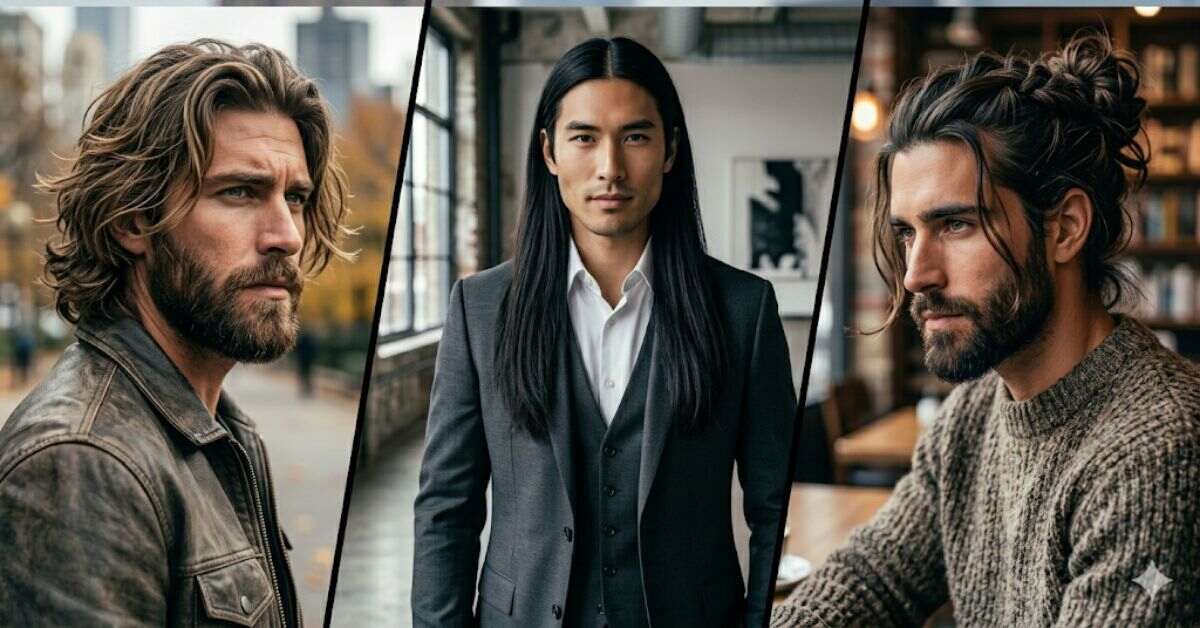
Most men think stylish long hair is only for a certain type of guy, a rockstar, an athlete, or someone with naturally perfect hair. That is simply not true. Any man can pull off great long hairstyles for men with the right knowledge and the right routine.
The real problem is that most men quit too early. They hit the awkward growth phase, reach for the wrong products, and never build a men’s long hair care routine that actually works for their hair type and lifestyle. The result is frizzy, weak, or unmanageable hair that never reaches its full potential.
Whether your hair is straight, wavy, curly, or coily, you will find a clear, practical system here that takes you from day one of growth all the way to a head of healthy, stylish long hair.
Find Your Hair Porosity Type
Before buying any product, run this simple 30 second test to understand your hair’s biology. This helps you pick products that actually work for your hair type instead of guessing.
The Pinch & Float Test
- Pull 3-5 strands of clean, dry hair from your brush
- Drop them into a glass of room-temperature water
- Wait 4 minutes and observe
| Result | Porosity Type | What It Means |
| Hair floats at the top | Low Porosity | Cuticles are tightly closed, moisture struggles to enter |
| Hair sinks slowly to the middle | Medium Porosity | Cuticles are balanced, most products work well |
| Hair sinks immediately to the bottom | High Porosity | Cuticles are open, moisture enters fast but escapes faster |
The Long Hair Growth Timeline
Hair grows about 0.5 inches per month on average. This varies by hair type and genetics.
Curly and coily hair looks shorter than it is. This happens because of natural shrinkage, not slow growth.
| Phase | What Happens |
|---|---|
| Month 1–3 | Hair passes ear length |
| Month 3–5 | Awkward phase begins |
| Month 6–8 | First styling options open up |
| Month 9–12 | Shoulder length and beyond |
Months 3 to 5 are the hardest. A headband or half-up style helps here. Growth speed depends on diet, scalp health, and genetics too.
Week by Week Styling Transitions
Growth happens in stages. Here’s what to do at each one:
- Weeks 1–8: Use a light pomade. Avoid heavy products.
- Weeks 9–20: Add a leave-in conditioner. Hair needs more moisture now.
- Weeks 21–36: Try buns and half-up styles. This phase gets easier.
- Week 36+: Full styling options open up. Braids, ponytails, layers all work now.
Best Long Hairstyles for Men Ranked by Lifestyle
Not every long hairstyle works for every man. We match styles to lifestyle so you can pick one that fits your actual daily life.
| Hairstyle | Best For | Styling Time | Texture Match | Workplace Friendly |
| Man bun | Active lifestyle | 2–3 min | All types | Yes |
| Low ponytail | Office/professional | 1–2 min | Straight, wavy | Yes |
| Loose waves | Creative/casual | 10–15 min | Wavy, curly | Depends |
| Half-up, half-down | Social events | 3–5 min | Straight, wavy | Moderate |
| Braided styles | Weekend / festivals | 20–30 min | Wavy, coily | Not typically |
| Layered, loose | Relaxed daily wear | 5–8 min | Wavy, curly | Moderate |
Men’s Bun vs Ponytail Which One Wins?
The man bun keeps all hair contained and works better at the gym or workplace. The ponytail flows more naturally, suits social settings, and pulls less tension on the scalp over time. Alternate between them regularly so you avoid consistent pressure on the same hairline points.
20 Stylish Long Hair Looks for Men
1. The Classic Man Bun

Want hair out of your face fast? The man bun does it in under 3 minutes. It works on any hair type, once you hit shoulder length. But there’s a real risk most guys don’t know about: wearing it tight, every day, can cause a condition called traction alopecia. It shows up specifically at the temples and hairline, since that’s where the pull is strongest. The good news is it’s reversible if you catch it early and loosen up how you wear it.
- Styling time: 2–3 min
- Keep the bun low and loose. A tight, high bun is what actually causes the damage.
- Use a spiral tie or scrunchie, not a thin elastic. It won’t dig into the roots the same way.
2. The Low Ponytail

Pull it back, smooth it down, and you’re done. The low ponytail is the fastest route to looking put-together. But if you pull it too tight, you might notice something called a “ponytail headache” by the end of the day. It happens because scalp tension from a tight pull can trigger tension-type headaches. A low, looser pull avoids this completely and still holds all day. Apply a light mousse at the roots first, otherwise it flattens by midday.
- Styling time: 1–2 min
- Keep the pull loose, not tight. Tension at the root is what causes the headache and hairline stress.
- Use a fabric-covered elastic, not a thin rubber band. It won’t snag or break strands.
3. The Curtain Style

A centre part with hair falling naturally on both sides that’s the whole look. Here’s something most guides skip: a centre part can actually make a long or oblong face look even longer, since it draws a straight vertical line down the middle. If your face is more round or oval, though, it works great and adds real symmetry to your features. Because it needs almost no daily upkeep once it’s trained, it’s one of the lowest-maintenance long hair looks out there. Create the part on damp hair using a rat-tail comb, since dry hair won’t hold the line properly. A light serum locks it in once it’s shaped, so it stays put through the day.
- Styling time: 3–5 min
- Skip this part style if your face is already long. A side part balances it better.
- Apply serum along the part line only. Too much weighs down the sides.
4. Loose Beach Waves
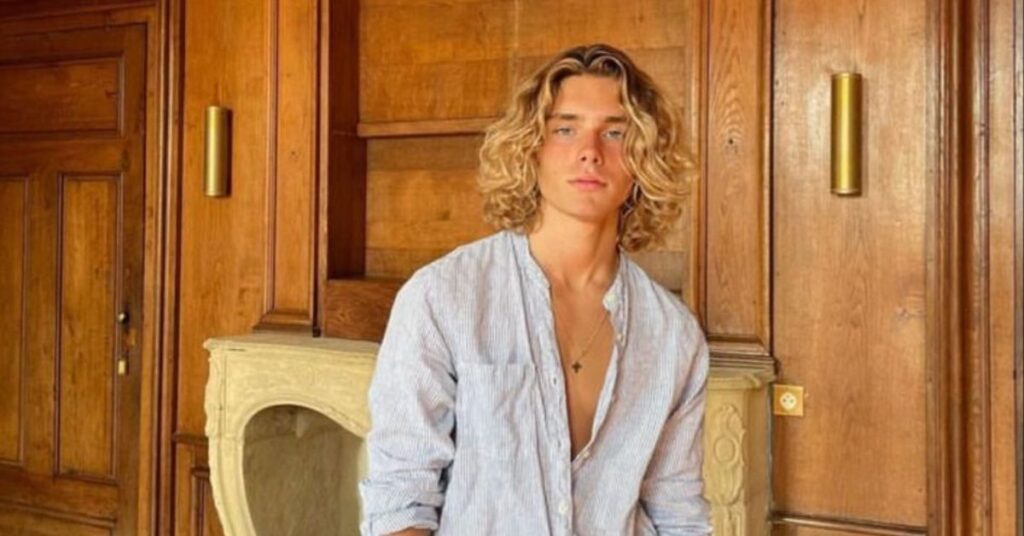
You don’t need heat for this one, which is what makes it such an easy weekend style. Braid damp hair before bed, and by morning you’ll have real texture without ever touching a curling iron. But here’s the catch most people don’t know: salt spray works by pulling moisture out of your hair, which is exactly what creates the wave. Used daily, this can leave hair dry, rough, and prone to breakage over time. Use it two or three times a week instead of every day, and always follow with a leave-in conditioner to replace what the salt pulls out. This way you get the texture without the long-term dryness.
- Styling time: 10–15 min
- Don’t use salt spray daily. It dehydrates hair with repeated use.
- Follow with a leave-in conditioner. It replaces the moisture salt spray removes.
5. The Half Up Half Down Style
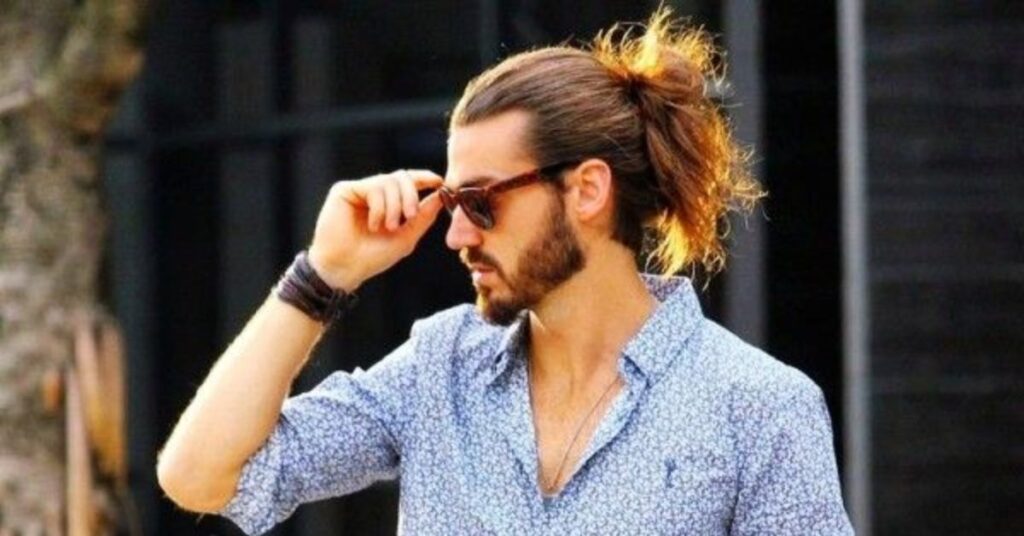
Some guys find a full bun too formal and loose hair too casual. This style sits right in the middle. The top section gets knotted up while the rest is left to fall naturally, so it reads as put-together without much real effort. It works on most textures and lengths past the collarbone, which makes it one of the more flexible options here. On fine or silky hair, though, tease the crown lightly before pulling up, or the knot tends to slide down within the hour. A spiral hair tie holds everything in place without leaving a crease in the strands underneath. Date nights or semi-formal gatherings are ideal occasions for this choice.
- Styling time: 3–5 min
- Tease fine or silky hair first. Without it, the knot loosens fast.
- Use a spiral tie, not a standard elastic. Elastics leave a visible dent.
6. The Layered Long Cut

Thick or coarse hair tends to sit heavy without any structure. Here’s what most guides get wrong: layers don’t actually add volume. What they really do is remove internal weight, which lets the remaining hair lift and move instead of lying flat. That’s why hair looks fuller after layering, even though there’s technically less hair left overall. If your hair grows into a triangle shape, ask for face-framing layers that start right at the cheekbones. Internal layers through the back help too, since they reduce bulk without shortening the actual length.
- Styling time: 5–8 min
- Ask for layers starting at the cheekbone. This stops the triangle shape from forming.
- Request internal layers, not just the ends. Internal layers cut weight without losing length.
7. The Slicked Back Professional Style

Medium-hold pomade, hair combed straight back, and you’re ready for anything formal. It suits straight and wavy hair best, so it’s a reliable pick when you need to look sharp fast. Here’s something worth knowing: oil-based pomade can take two or three washes to fully remove, and if it’s not washed out properly, it can build up on the scalp over time. A water-based pomade avoids that problem entirely, since it rinses out in a single wash. Apply it to damp hair only, because dry hair tends to turn greasy by mid-afternoon.
- Styling time: 5 min
- Choose water-based pomade over oil-based. It washes out fully in one shampoo.
- Apply to damp hair, never dry. Dry application causes greasy buildup fast.
8. The Viking Braid

Sections woven from the temples back create one of the few long-hair looks that reads as a real statement, not just grown-out hair. It works best on wavy and coily textures, since those hold the woven pattern more tightly than straight hair does. One advantage most people don’t realize: because a braid spreads tension across many small sections instead of one tight point, it’s generally gentler on the hairline than a single tight ponytail or bun. Apply braid cream throughout beforehand, since dry or unprepped hair tends to frizz and lose definition within hours. Once finished, a light mist of aloe vera water keeps the pattern defined all day.
- Styling time: 20–25 min
- Apply cream before braiding, not after. Unprepped hair frizzes fast.
- Mist with aloe water once finished. It keeps the pattern defined for hours.
9. The Messy Textured Look

Texture paste and a scrunching motion that’s really all this style needs. The goal is hair that looks like it woke up already good, and done right, it takes about five minutes total. Texture paste works by coating strands unevenly on purpose, which is what creates that separated, piecey look instead of a smooth finish. Use your hands instead of a comb, since combing product through flattens the exact texture you’re trying to build. Focus the product on mid-lengths and ends only, so the roots keep their natural lift and volume.
- Styling time: 5 min
- Use hands, not a comb. Combining removes the texture completely.
- Apply product to ends only. Root application flattens volume.
10. The French Braid
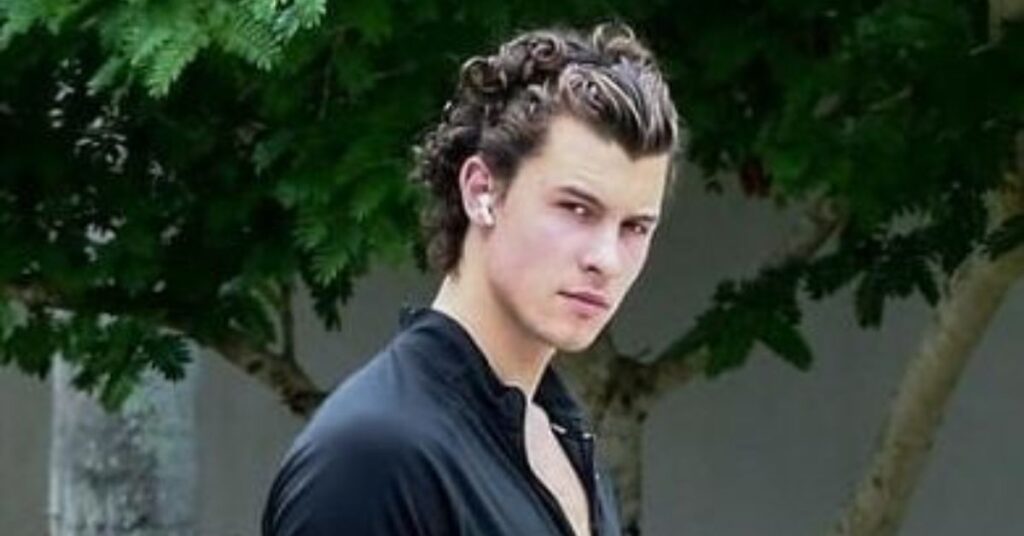
Jobs that don’t stop moving construction, the gym, anything outdoors need a style that holds without touch-ups, and this is it. One real advantage over a tight ponytail: a French braid spreads tension across a much larger part of the scalp instead of pulling from one single point. That makes it noticeably gentler on the hairline over a full workday. Braid on slightly damp hair, since dry hair loses tension and starts loosening by afternoon. It also sits flat enough to work comfortably under a hard hat or helmet.
- Styling time: 15–20 min
- Braid while hair is damp. Dry hair loosens faster.
- Keep tension even, not tight at any one point. This protects the hairline over a full day.
11. The Surfer Shag

Short layers at the crown and longer length toward the ends give real volume to hair that would otherwise just hang flat. It suits anyone who spends time outdoors, since the layered movement holds up well against wind and salt water. Crown layers tend to grow out faster than the rest of the head, so a targeted trim on just the top every ten weeks keeps the shape balanced. Letting the ends grow freely between trims preserves the shag’s overall ratio. Once it’s shaped correctly, it needs very little daily styling to hold its look.
- Styling time: 8–10 min
- Trim crown layers every 10 weeks. This keeps the shag ratio balanced.
- Let the ends grow freely. Trimming them too often ruins the shape.
12. The Headband Style

There’s an awkward phase where every man hits too short to tie back, too long to sit flat and a headband fixes it instantly. It requires zero technique, so it works well for anyone still figuring out how to manage growing-out hair. Pick a headband with silicone grip lining, since smooth or fine hair pushes standard bands backward within an hour of wear. Skip metal or hard plastic versions too, since repeated pressure in the same spot can lead to breakage near the hairline over time. This remains one of the fastest fixes on this entire list.
- Styling time: 1 min
- Choose silicone-lined headbands. Standard bands slip on fine hair.
- Avoid metal or hard plastic. Repeated pressure causes breakage near the hairline.
13. The Side Swept Long Style
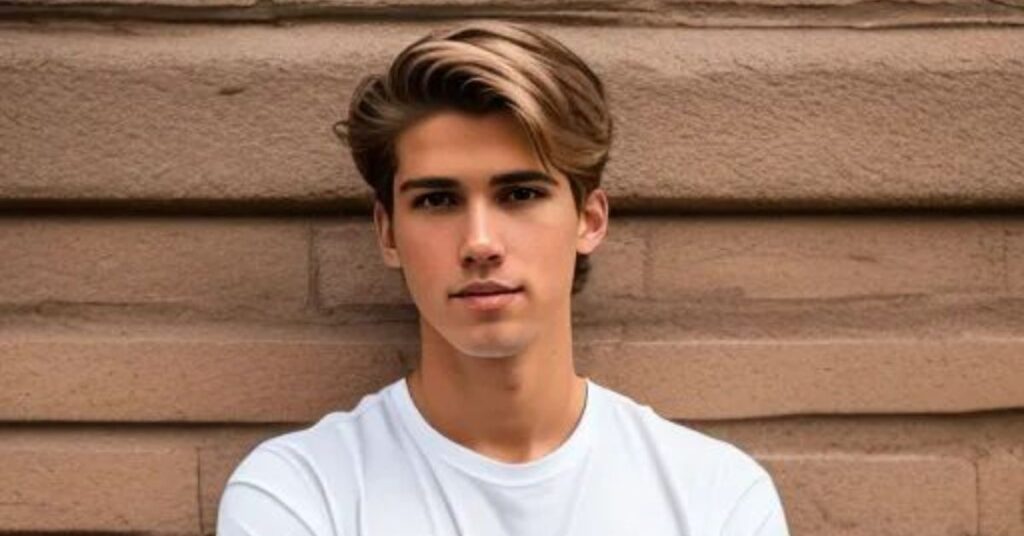
Sweeping everything to one side and tucking it loosely behind an ear adds real asymmetry to the overall look. It works especially well on stronger bone structure, so it pairs naturally with a beard or a defined jawline. It suits straight and wavy hair best, since those textures hold the sweep without much resistance. If your hair has no natural “memory” for the new direction, apply a light-hold cream before sweeping it over. One hidden bobby pin behind the ear anchors the whole style without any visible hardware showing through.
- Styling time: 3–5 min
- Apply cream before sweeping. Hair with no memory won’t hold the direction alone.
- Hide one pin behind the ear. It secures the sweep invisibly.
14. The Natural Afro Length Style
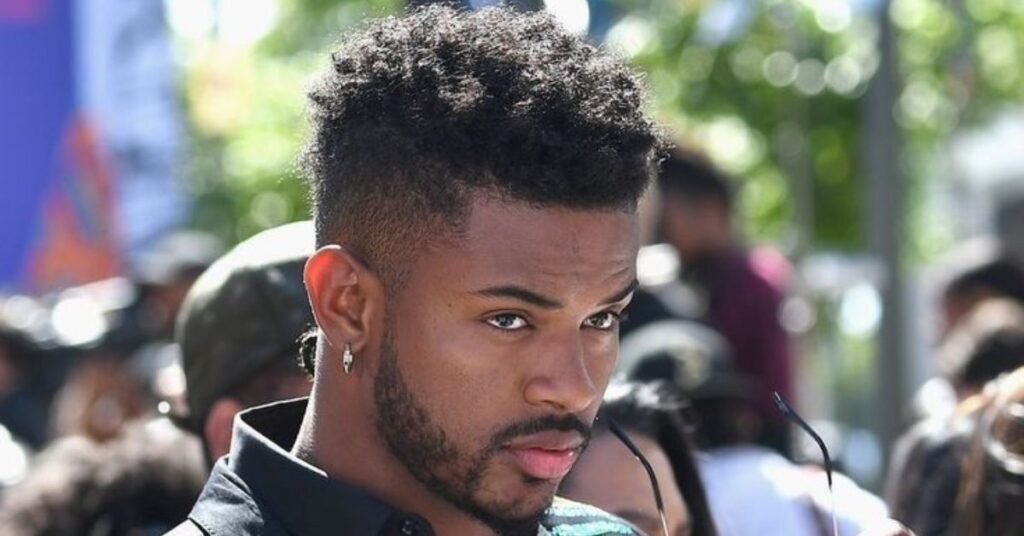
Growing coily hair to real length takes real patience, since moisture-first care matters more here than with any other texture. Shrinkage makes the length look shorter than it actually is, and that’s expected, not a sign of slow growth. Because of this, two-strand twists or braid-out styles work best for showing true length without relying on heat at all. It suits coily and tightly curled hair specifically, and the payoff is a texture that carries real presence once it’s healthy. The main challenge is really just getting through the shrinkage phase without reaching for a flat iron out of frustration.
- Styling time: 10–15 min
- Use two-strand twists to show true length. Shrinkage hides it otherwise.
- Prioritize moisture over heat styling. Heat weakens coily strands faster.
15. The Low Fade with Long Top
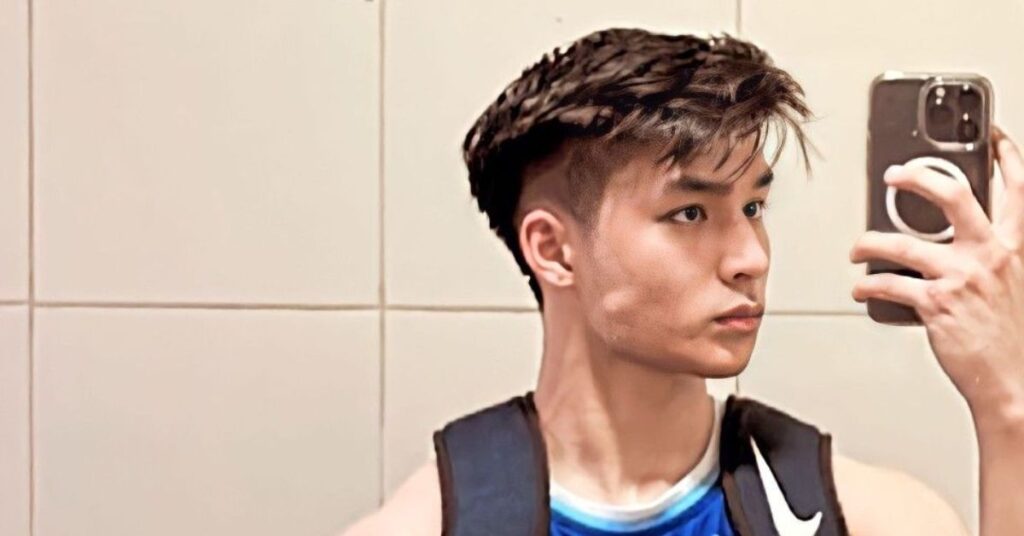
A skin fade on the sides paired with real length on top bridges a short cut and a full long-hair look. This makes it an easier transition if you’re growing out from something shorter, since the top stays styleable the whole time. It works on straight, wavy, and curly hair, so the fade adapts regardless of your natural texture. Because the fade grows out faster than the top does, book touch-ups every three to four weeks while leaving the top alone. The shapes and ratios remain balanced throughout the entire growing-out process.
- Styling time: 5–8 min
- Trim the fade every 3–4 weeks. The top can grow untouched during this time.
- Leave the top section alone. Cutting it slows down your length goals.
16. The Half Knot

Just the top-front section gets tied up, with the rest left down enough to look put-together without going as far as a full bun. It suits straight, wavy, and lightly curled hair, so most textures can pull this off without extra product. On thicker hair, a small knot tends to look more deliberate than accidental, which actually works in its favor. Pull a wider section from ear to ear, then twist it twice before securing for a more visible result. This style takes barely any time, so it’s a solid pick when you’re rushing out the door.
- Styling time: 2–3 min
- Pull a wider section, ear to ear. A narrow section looks thin and weak.
- Twist twice before securing. One twist loosens too quickly.
17. The Long Hair with Bandana

A bandana turns any long-hair look into a statement instantly, and it’s one of the few styles here where fabric choice matters more than technique. It works on wavy, curly, and natural hair, since the fabric holds those textures in place without extra product. A tight knot in a bold pattern tends to read as costume rather than style, so tie it loosely at the back instead. Neutral or muted tones sitting slightly back from the hairline usually read as more intentional. It’s also one of the fastest ways to manage hair on a humid or windy day.
- Styling time: 2 min
- Tie it loosely at the back. A tight knot looks costume-like, not styled.
- Choose muted tones over bold patterns. It reads as deliberate, not decorative.
18. The Textured Lob

Sitting just above shoulder length, the lob gives you the visual impact of long hair with a fraction of the daily upkeep. It works best on straight and wavy hair, making it a good stepping stone if you’re not sure about going fully long. Ask for a razor-cut finish specifically, since a razor tapers each strand at an angle instead of cutting it straight across. That’s what creates natural movement and texture that a plain scissor cut can’t replicate. One thing to flag with your barber: razor cuts can add frizz on curly or coarse textures, so it works best if your hair is on the straighter side.
- Styling time: 5–8 min
- Ask for a razor-cut finish, not a scissor trim. It creates movement scissors can’t.
- Skip the razor if your hair is curly or coarse. It can add unwanted frizz.
19. The Loose Flow with Centre Part

No product, no tools, just a clean middle part and hair falling naturally on both sides. This one rewards consistent conditioning more visibly than almost any other style on this list, since there’s nothing to hide behind. Hair with zero product tends to look flat and lifeless by midday, so a small amount of argan oil after parting adds shine and separation. It works best on straight and gently wavy hair, where the natural fall does most of the work. This is really the difference between hair that looks unstyled and hair that looks deliberately natural.
- Styling time: 2–3 min
- Add a small amount of oil after parting. Bare hair looks flat without it.
- Focus oil on mid-lengths and ends. Roots don’t need it and can look greasy.
20. The Grown Out Flow

This is usually the end goal guys picture when they start growing their hair out, falling naturally past the shoulders, held together by condition rather than styling. It works on all hair types, so the main variable at this stage isn’t texture, it’s maintenance. Skipping trims and conditioning is what makes long hair look neglected, not the length itself. Weekly oil treatments and a trim every ten weeks keep the ends from splitting and thinning out the overall look. A boar-bristle brush used daily also helps distribute natural oils from scalp to ends, which most guys skip entirely.
- Styling time: 5 min
- Trim every 10 weeks, even without a style change. This prevents split ends from spreading.
- Brush with boar bristles daily. It spreads natural oils that keep ends healthy.
Making Long Hair Work in Different Jobs
Different jobs need different solutions. Here’s what works across common work settings.
| Setting | Main Challenge | What Works | Why It Works |
| Client-facing (law, sales) | Needs to look polished | Low slicked-back ponytail | Reads as controlled, not casual |
| Teaching | Needs authority with students | Half-up bun, side part | Clean and deliberate look |
| Kitchen work | Safety code compliance | Vented heat-resistant hair tube | Contains hair, less frizz than a hairnet |
| Construction/trades | Must fit under a hard hat | French braid under the collar | Sits flat, no loose strands |
| Creative fields | Little restriction | Rotate styles freely | Hair becomes part of personal style |
The pattern here is simple. Control matters more than length. A neat, secured style reads as professional almost anywhere. Loose strands are what read as unkempt, not long hair itself.
The chef’s solution works especially well. A vented hair tube meets safety rules and causes less frizz than a standard hairnet.
What Makes a Long Hair Product Actually Work
Judge any product by four things: does it clean well, does it reduce tangling, does it control frizz, does it keep the scalp comfortable.
Most product failures come from two things. Silicone buildup weighs hair down. Synthetic fragrance irritates the scalp.
What to Judge a Product By
| Factor | Why It Matters |
| Cleansing | Removes buildup without stripping natural oils |
| Tangling | Smooth strands mean less breakage |
| Frizz control | Keeps hair manageable in humidity |
| Scalp comfort | Irritation shows up fast, within days |
Product Categories That Actually Work
- Sulfate-free shampoo: Cleans without stripping moisture. Long hair is older, more fragile hair.
- Protein-free conditioner: Fine hair needs moisture, not more protein. Too much protein makes hair stiff.
- Argan oil leave-in: Smooths the cuticle. Cuts down tangling fast.
- Weekly hair mask: Catches damage early. Prevents split ends before they start.
- Hard water areas: Buildup happens faster. Use a clarifying shampoo once a month.
Men’s Long Hair Care Routine Daily, Weekly & Monthly
Daily Maintenance for Male Long Hair
| Step | Action | Product Type | Time |
| 1 | Detangle gently with a wide-tooth comb | None needed | 2 min |
| 2 | Apply a leave-in conditioner to damp hair | Lightweight leave-in | 1 min |
| 3 | Dry with a microfibre towel (no rubbing) | Microfibre towel | 3 min |
| 4 | Style with your chosen look | Pomade, serum, or none | 2–15 min |
Weekly Long Hair Wash Schedule
| Activity Level | Scalp Type | Recommended Washes Per Week | Use Dry Shampoo On |
| Low (desk job) | Dry/normal | 2x | Day 3 if needed |
| Moderate | Normal | 3x | Between washes |
| High (daily gym) | Oily | 3–4x | Post-workout days |
| Very high (outdoor work) | Oily | 4–5x | Emergency days only |
Monthly Care Checklist
- Schedule a light trim (dusting) to remove split ends without sacrificing length
- Do a deep-conditioning hair mask treatment
- Assess whether your current products still suit the season
- Check your accessories replace worn elastics that cause breakage
Preventing Split Ends in Male Long Hair
Split ends stay the number one enemy of men growing long hair. They make progress feel invisible because damaged ends break off as fast as the hair grows. here’s how to prevent them:
- Always detangle from the ends upward, never start at the root and drag down through tangles.
- Use a silk or satin pillowcase. Cotton creates friction that causes breakage overnight.
- Apply a heat protectant before using any blow dryer or straightener even on low heat settings.
- Trim every 10–12 weeks. Skipping trims causes split ends to travel up the hair shaft and require larger cuts later.
Heatless Styling for Men’s Long Hair
- Braiding damp hair overnight creates natural waves by morning
- Twist and tuck method delivers beach waves with zero heat
- Roller sets work well for men with longer straight or wavy hair who want volume
- Air drying with a diffuser attachment reduces heat exposure while maintaining curl definition
Long Hair for Men with Fine vs Thick Texture
| Factor | Fine Hair | Thick Hair |
| Best cut | Layered to add volume | Blunt or razored to remove bulk |
| Wash frequency | More frequent (oils weigh it down) | Less frequent (holds moisture longer) |
| Conditioner weight | Light, rinse-out only | Heavy mask-style, weekly |
| Styling products | Mousse, lightweight spray | Cream, oil, heavy serum |
| Avoid | Heavy oils and thick creams | Alcohol-based sprays that dry out |
| Drying technique | Diffuser on low | Microfibre towel + air dry |
Balancing Beard and Long Hair
Men who grow both a beard and long hair face a unique styling challenge; the two features need to complement, not compete with each other.
- If your hair is thick and voluminous, keep the beard shorter and well-groomed to balance facial weight.
- If your hair is fine or pulled back, a fuller beard adds masculine structure to the face.
- Always use separate products for beard and hair. Beard oil differs from hair oil in weight and absorption rate.
- Match the grooming level: if you style your hair carefully, apply the same effort to shaping your beard.
Seasonal Long Hair Care for Men
| Season | Main Challenge | Key Adjustment |
| Spring | Increased humidity | Switch to anti-frizz leave-in; use lighter wash schedule |
| Summer | UV damage + sweat | Apply UV-protecting hair mist; wash more frequently |
| Autumn | Dry air begins | Reintroduce heavier conditioner; oil treatments weekly |
| Winter | Static + extreme dryness | Use moisturising shampoo; avoid harsh indoor heating on hair |
Frequently Asked Questions
Most men reach shoulder length in 12–18 months, depending on starting length and hair growth rate. The average male hair grows about 0.4–0.5 inches per month. Straight hair types typically reach shoulder length faster, while curly textures take longer due to natural shrinkage.
We recommend sulfate-free shampoos for men with long hair. Sulfates strip the natural oils that protect long hair from breakage and dryness. Shampoos that cause scalp issues almost always contain sulfates or synthetic fragrance compounds.
Absolutely. Many professionals across demanding work environments find effective solutions that meet workplace standards without cutting their hair.
Apply a leave-in conditioner while hair is still damp, detangle from the ends upward using a wide tooth comb, and sleep on a silk or satin pillowcase. Argan oil leave-in conditioners are especially effective at reducing tangling compared to no treatment at all.
Yes, trimming every 10-12 weeks actually helps you grow your hair longer. Removing split ends prevents them from travelling up the hair shaft and causing larger breakage later. A light dusting trim removes only 1/4 inch and keeps ends healthy without sacrificing noticeable length.
Fabric headbands and athletic bands work best for casual and gym use. Thin elastic headbands suit more polished looks. Avoid metal or hard plastic headbands; they create pressure points and cause breakage at the hairline over time.
Long hair suits a wide range of face shapes, provided you choose the right style. Oval or oblong faces carry almost any length with ease, while layered cuts help add necessary vertical length for rounder faces. If you have a square jawline, loose waves around the face create a naturally balanced and soft aesthetic.
Summary
Growing and maintaining stylish long hair as a man takes commitment but it does not have to feel overwhelming. You start by understanding your hair type, you build a care routine that fits your lifestyle, and you choose styles that match both your personality and your workplace.
The right approach works for any hair type straight, wavy, curly, or coily. Focus on three non negotiables: use sulfate-free products, detangle gently, and trim regularly. Do those three things consistently and your long hair journey will reward you.
Ready to start? Pick your hair type from the growth table above, bookmark your wash schedule, and take your first step today.

Ryan Cole writes about men’s grooming, covering barbering techniques, current trends, and how styles adapt across different hair types and face shapes. He focuses on practical, wearable advice: how to describe a cut to your barber and how to maintain it day to day.